Neuroscience
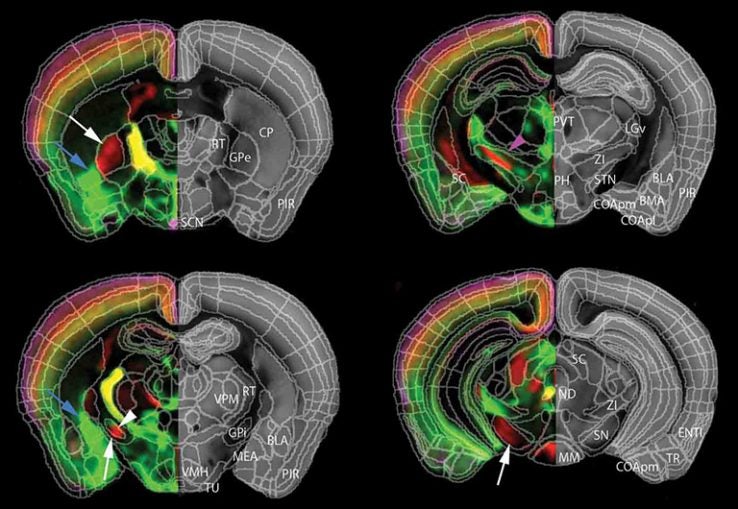 CSHL neuroscientists focus on understanding how neural connections in the brain translate into behavior. Their research provides insights into the circuitry underlying complex cognitive processes such as decision-making and attention, as well as developing tools to map circuit disruptions associated with neurological disorders, like Alzheimer’s disease, autism, schizophrenia and depression.
Neuroscience research at CSHL is centered on three broad themes: sensory processing, cognition, and mental disorders. Sensory processing research explores how sensory experiences, like sound, smell, and sight, are integrated with decision-making. The cognition group uses the tools of modern neuroscience (genetic, molecular, physiology and imaging) to study the neural circuitry that underlies attention, memory, and decision-making. Researchers also study cognitive disorders, defining the genetic basis of diseases like autism and schizophrenia and identifying the neural circuits that are disrupted in these disorders. In addition, there is an effort to develop new anatomical methods to improve our understanding of brain circuits, connectivity, and function.
Much of the work is highly collaborative and interdisciplinary. Many neuroscientists apply physics, math, and engineering principles to the study of cognition, including research funded by the Swartz Foundation.
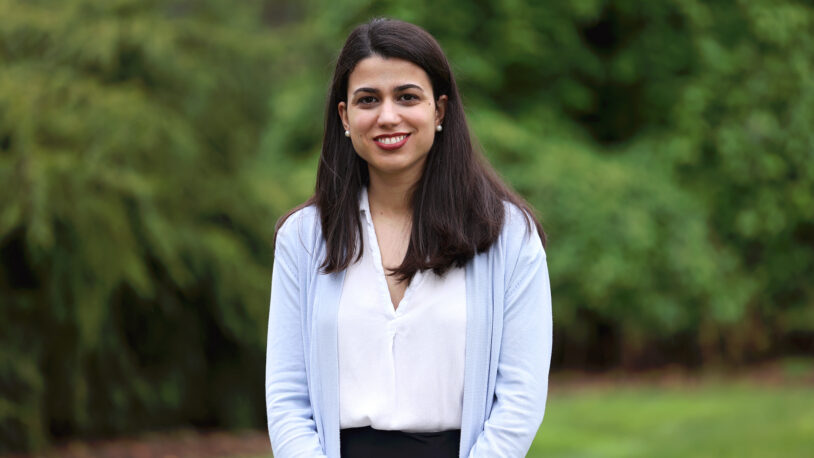
Corina Amor Vegas awarded $750K MIND Prize
March 10, 2026
The Pershing Square Foundation award will fund research aimed at developing CAR T cell therapies for Alzheimer’s disease.

A new theory of brain development
March 2, 2026
How does a single cell grow into such a complex organ? For CSHL postdoc Stan Kerstjens, a simple explanation hits close to home.
AI, monkey brains, and the virtue of small thinking
February 25, 2026
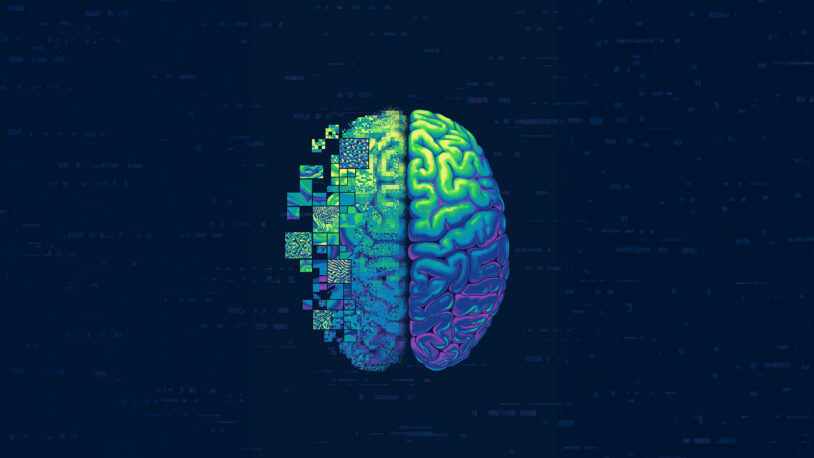
CSHL Assistant Professor Benjamin Cowley and colleagues have recreated the primate visual system with a computer model that fits in an email.
Let’s get on pancreatic cancer’s nerves
February 9, 2026
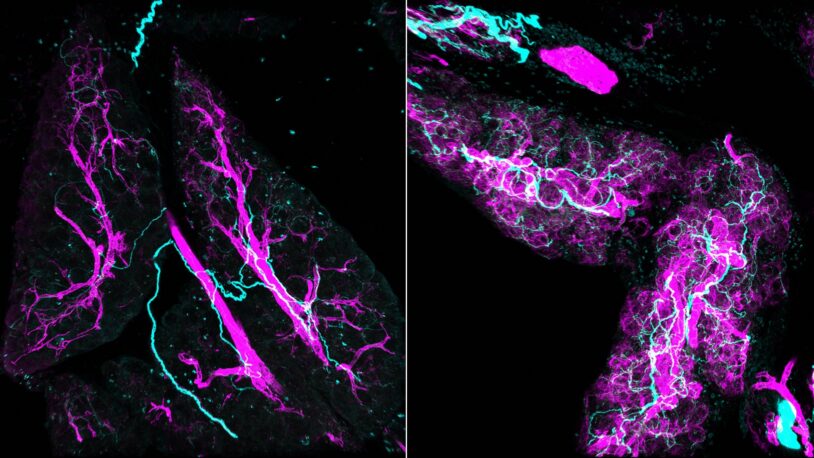
CSHL postdoc Jeremy Nigri and colleagues in the Tuveson lab have discovered that the nervous system plays a role in pancreatic cancer development.

Day & night: Cancer disrupts the brain’s natural rhythm
December 15, 2025
CSHL scientists find that stimulating key neurons at certain times resets stress hormone rhythms disrupted by cancer, aiding anti-tumor defenses.

Singing mice speak volumes
December 1, 2025
A new discovery from CSHL’s Banerjee lab offers an important clue in the mystery of how mammals’ brains evolved to enable complex behaviors.
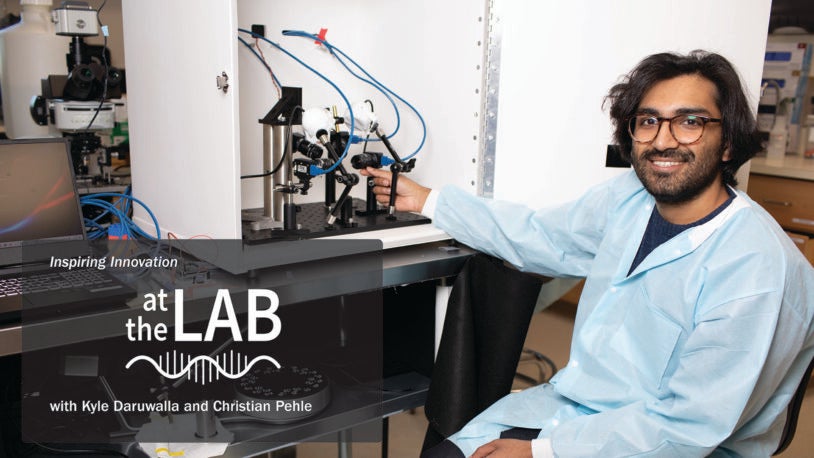
Is an AI singularity possible?
November 19, 2025
CSHL NeuroAI Scholars Kyle Daruwalla and Christian Pehle don’t see so-called “artificial general intelligence” anywhere on the horizon. Here’s why.
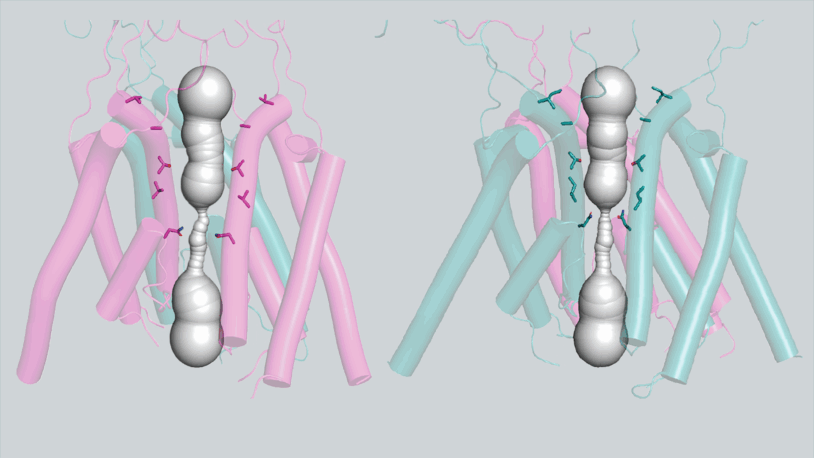
A doorstop for the brain’s electrical gates
October 29, 2025
New findings from CSHL's Furukawa lab could have implications for treating strokes and neurodegenerative conditions like Alzheimer’s disease.
The hitchhiker’s guide to the smelliverse
October 14, 2025
CSHL Professor Alexei Koulakov talks synesthesia, shipwrecks, and the most underappreciated of our five senses.
Borniger reaches Cancer Grand Challenges finals
September 24, 2025
The CSHL scientist is on one of 12 teams chosen from a pool of 227. Next March, seven teams will be selected to receive over $20 million in funding.
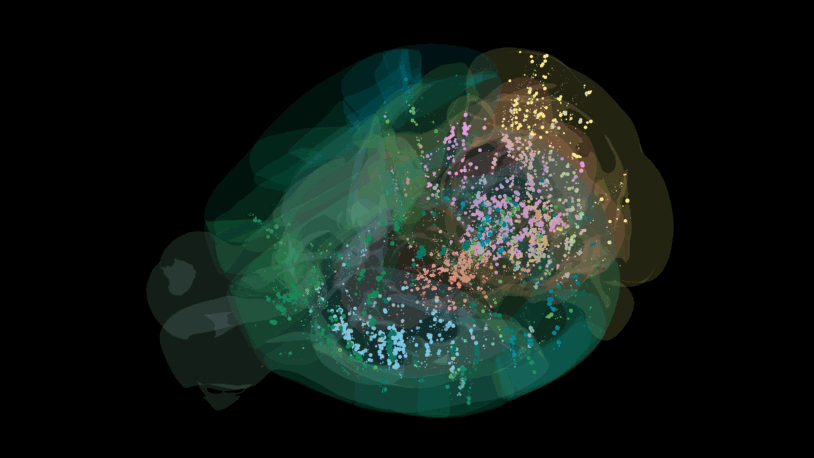
Worldwide collaboration, brain-wide technology
September 18, 2025
CSHL neuroscientists, current and former, contributed to two major brain-mapping studies recently published in Nature and featured on CNN.
Patient insights inspire discovery
September 3, 2025
In a new essay on cachexia, published in Neuron, CSHL’s Tobias Janowitz makes an impassioned plea to all scientists—listen to patients carefully.
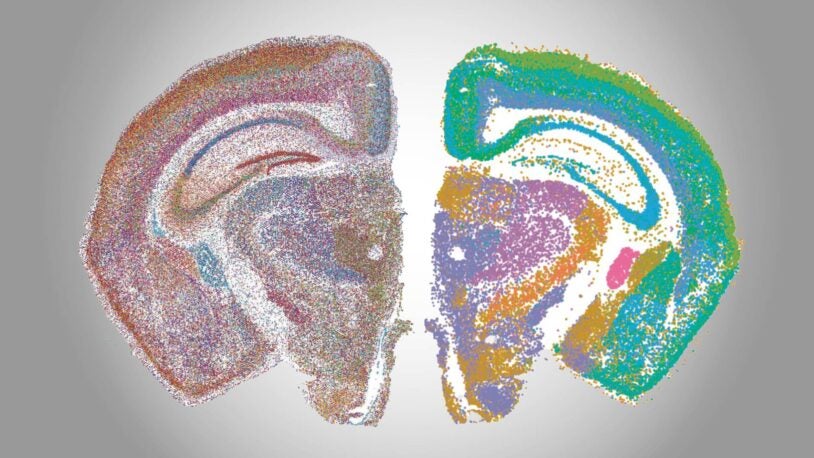
Mind-blowing neuroscience research
July 22, 2025
Over the last year, CSHL has made many key discoveries in brain development and neurological conditions, from autism to Alzheimer’s disease.
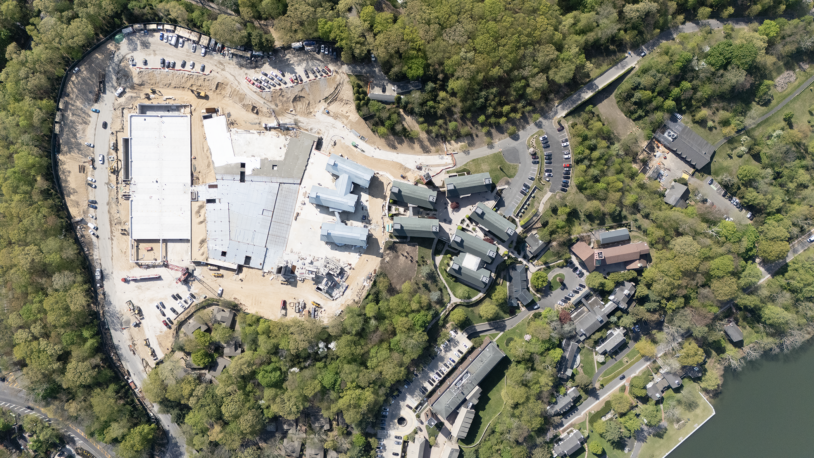
Reaching new heights in science
July 10, 2025
Skanska and Cold Spring Harbor Laboratory today celebrated the topping out of the Artificial Intelligence and Quantitative Biology (AIQB) building at CSHL.
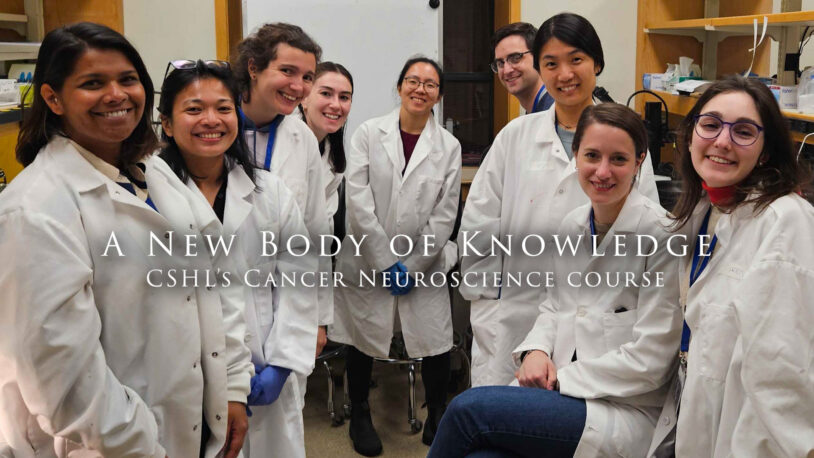
A new body of knowledge
June 24, 2025
Get a guided tour of the world’s first hands-on cancer neuroscience course, and meet the scientists pioneering this new field of research.
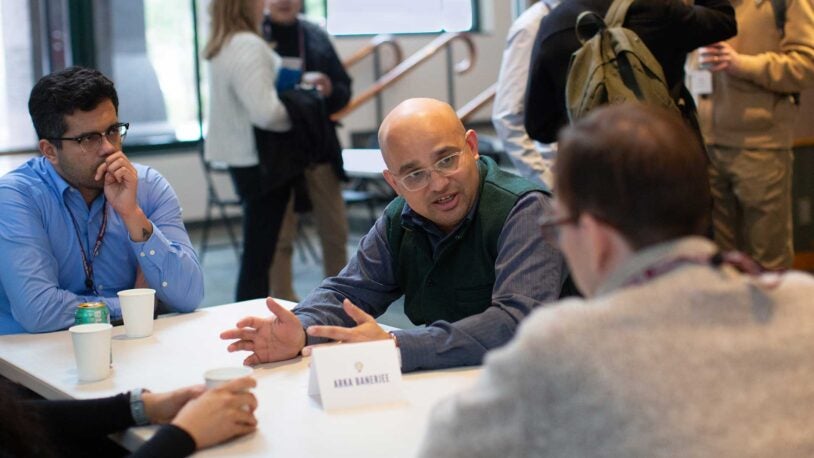
Arkarup Banerjee named 2025 McKnight Scholar
June 19, 2025
The CSHL neuroscientist will receive $225,000 over three years for his lab's studies of the neural mechanisms underlying vocal communication.
At the Lab: An evening out with the brain and body
June 10, 2025
Ever go to a neuroscience talk and wish it had more sound effects? Then this is the episode for you.
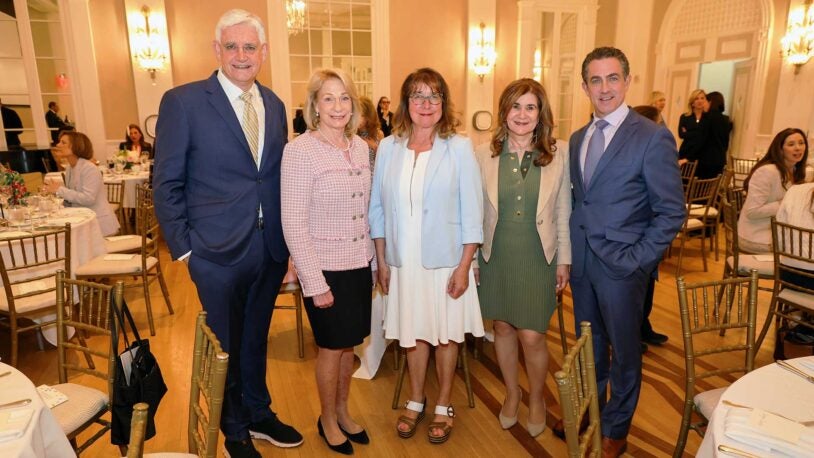
‘The bridge between hope and healing’
June 4, 2025
The Cosmopolitan Club hosts an inspiring event featuring CSHL Professor Alea Mills and Dr. John Boockvar of Netflix’s Lenox Hill and Emergency NYC.
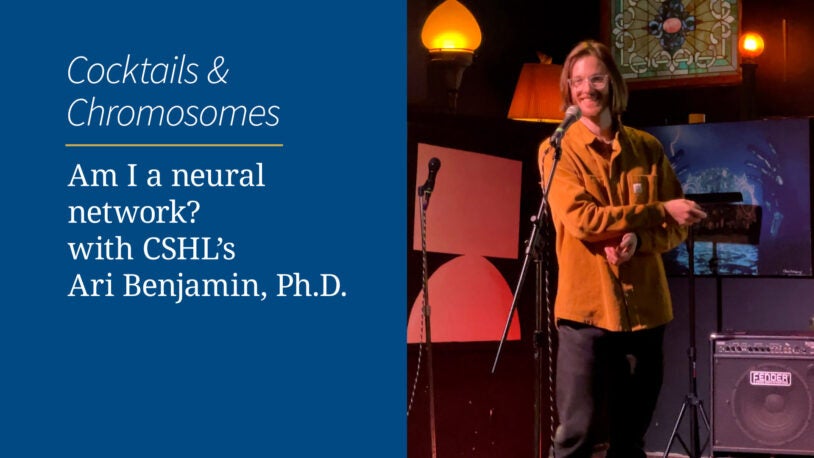
Cocktails & Chromosomes: Am I a neural network?
May 22, 2025
What are the core differences between AI and human intelligence? CSHL postdoc Ari Benjamin pulls back the curtain on today’s large language models.
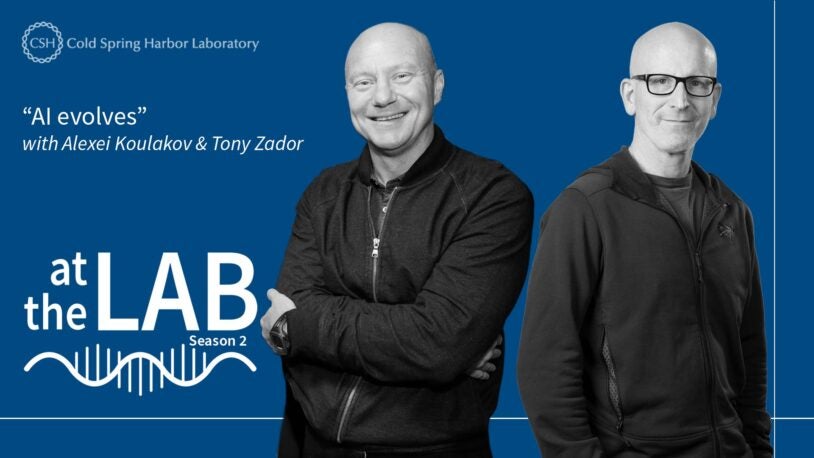
At the Lab: AI evolves
May 20, 2025
CSHL neuroscientists discuss the biological brain’s multibillion-year advantage over AI—and the new algorithm they built based on that concept.
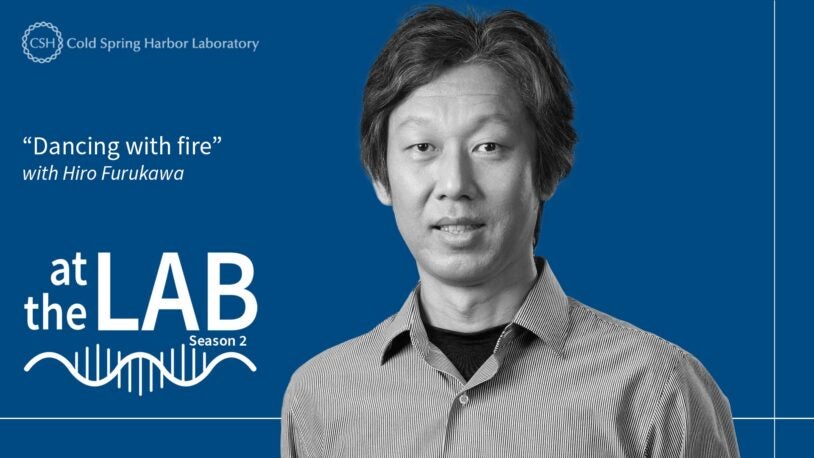
At the Lab: Dancing with fire
April 29, 2025
What happens to our brain receptors’ “dance routines” when the brain comes under immune system attack? Tune in to find out.
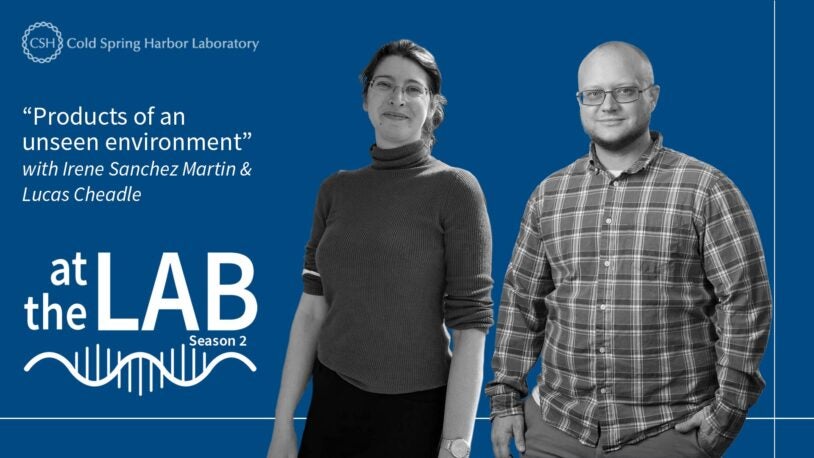
At the Lab: Products of an unseen environment
April 22, 2025
You may have read about their fascinating research in

It’s not you—it’s cancer
April 10, 2025
CSHL Associate Professor Tobias Janowitz and colleagues discover the brain-body connection underlying apathy in the late stages of cancer.
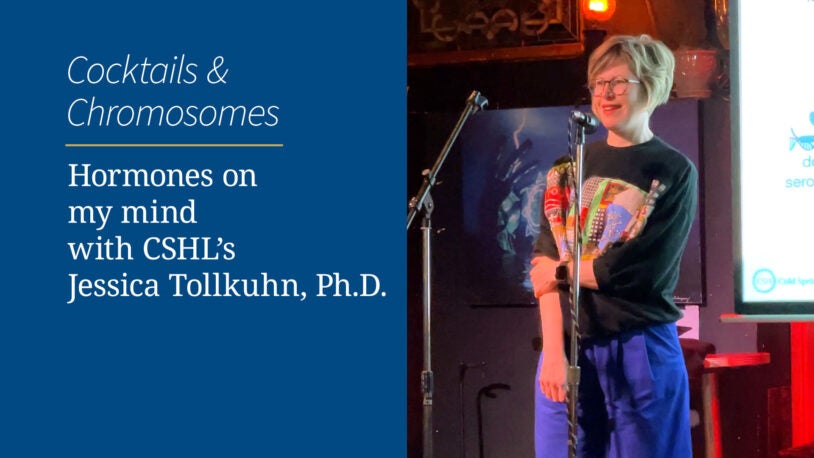
Cocktails & Chromosomes: Hormones on my mind
April 9, 2025
How do estrogen and testosterone influence mood, behavior, and health? CSHL neuroscientist Jessica Tollkuhn breaks it down for viewers young and old.

Lucas Cheadle awarded $750K MIND Prize
April 1, 2025
Support from the Pershing Square Foundation empowers the CSHL neuroscientist to take a bold, new view of Alzheimer’s disease.
A perception quiz to blow your mind
March 26, 2025
Ready to think differently about how you see, smell, hear, taste, touch, and make sense of the world around you?
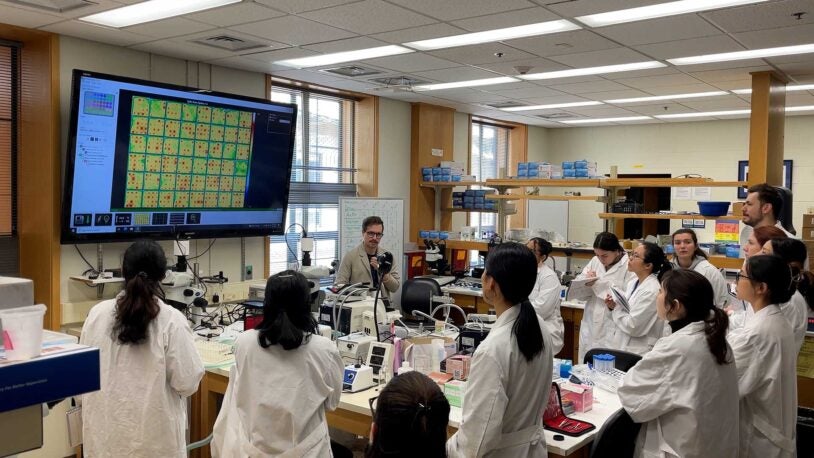
CSHL holds first-ever cancer neuroscience course
March 24, 2025
How does one study the nervous system’s influence on cancer? They come to CSHL. The field is so new there hasn’t been any formal training—until now.
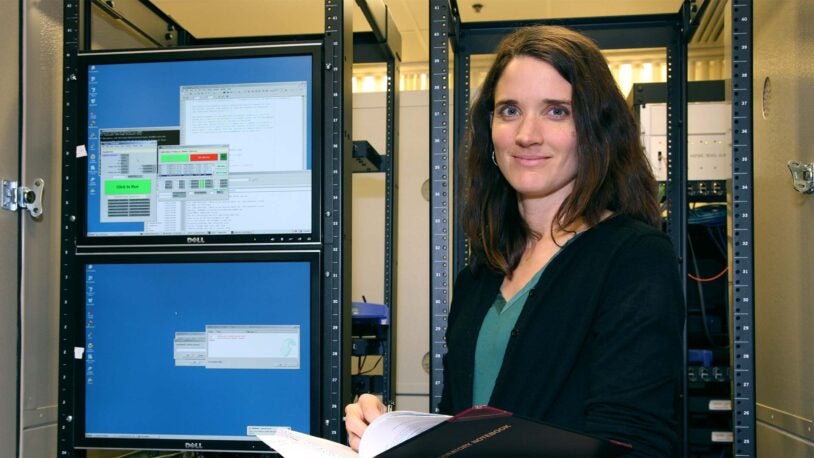
Anne Churchland donates $50K prize to CSHL student
March 19, 2025
The donation, made possible by the National Academy of Sciences, supports Zarmeena Dawood, a neuroscientist and M.D.-Ph.D. student in the Albeanu lab.

The greatest challenge in the universe
March 17, 2025
How does the brain turn sensory information into world-building neural responses? New answers could open the door to AI-powered therapeutics.
Banerjee named NAS Kavli Fellow
March 4, 2025
The National Academy of Sciences selects CSHL Assistant Professor Ararkup Banerjee to participate in its annual Kavli Frontiers of Science Symposium.

CSHL high schoolers named top Regeneron Scholars
March 3, 2025
CSHL volunteer Ishana Chadha and Partners for the Future participant Keita Takahashi are among the top student scientists in the U.S.
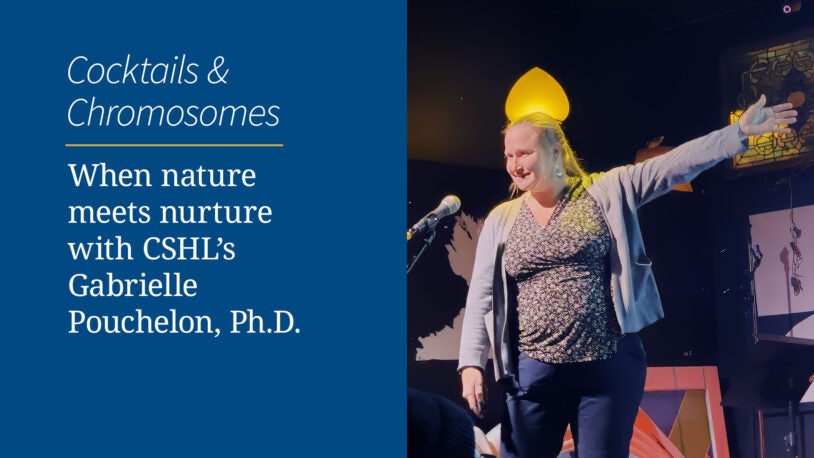
Cocktails & Chromosomes: Where nature meets nurture
February 26, 2025
Cold Spring Harbor Laboratory neuroscientist Gabrielle Pouchelon puts a new spin on an age-old question during our first public science talk of 2025.
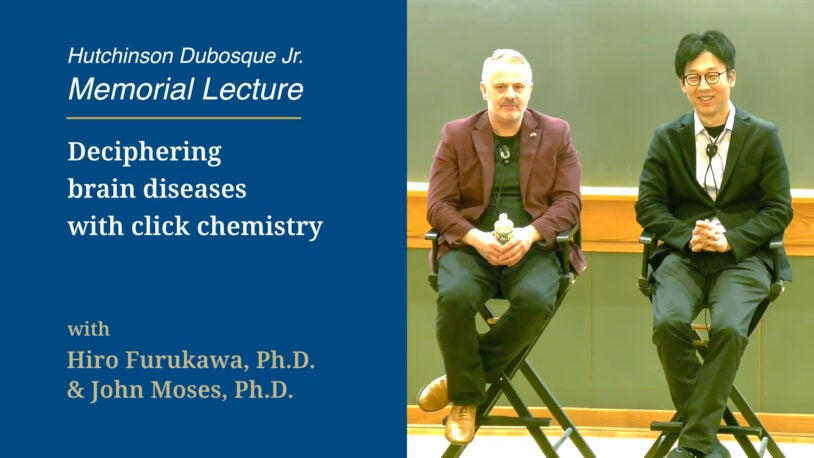
Deciphering brain diseases with click chemistry
February 18, 2025
Cold Spring Harbor Laboratory Professors John Moses and Hiro Furukawa speak at the CSHL Association’s 2025 Annual Meeting.

Ketamine: From club drug to antidepressant?
February 14, 2025
CSHL Professor Hiro Furukawa proves the existence of a mysterious brain receptor known as GluN1-2B-2D and shows how it may interact with ketamine.
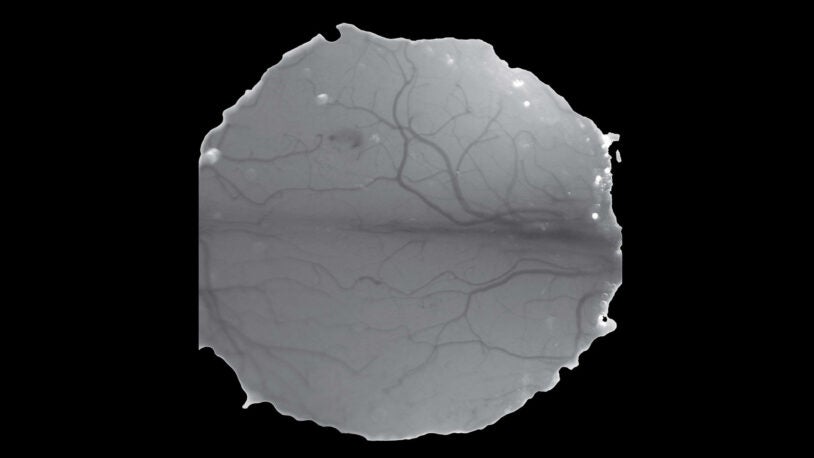
A hearing aid for … your nose?
January 30, 2025
CSHL Professor Florin Albeanu and postdoc Diego Hernandez Trejo have found a feedback loop in the brain that may help us make sense of new sensations.
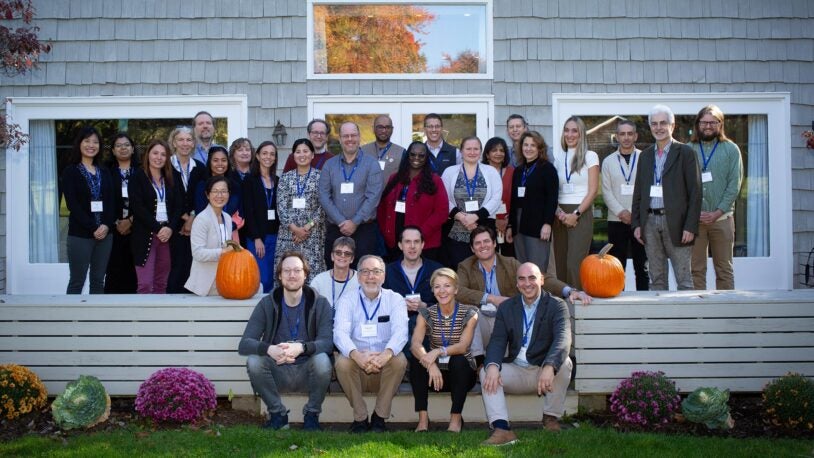
Humans of Banbury: Interview with Laurie Cutting
January 24, 2025
An interview with November 2024's "Cognition and Behavior in Neurofibromatosis type 1 (NF1)" meeting participant Laurie Cutting, Ph.D.

Mixed signals: How the brain interprets social cues
January 6, 2025
A new discovery from CSHL’s Shea lab helps explain how the brain processes multisensory information. It may have big implications for autism research.

The next evolution of AI begins with ours
November 25, 2024
How do innate abilities get passed down? Cold Spring Harbor neuroscientists have devised a solution that could lead to faster artificial intelligence.
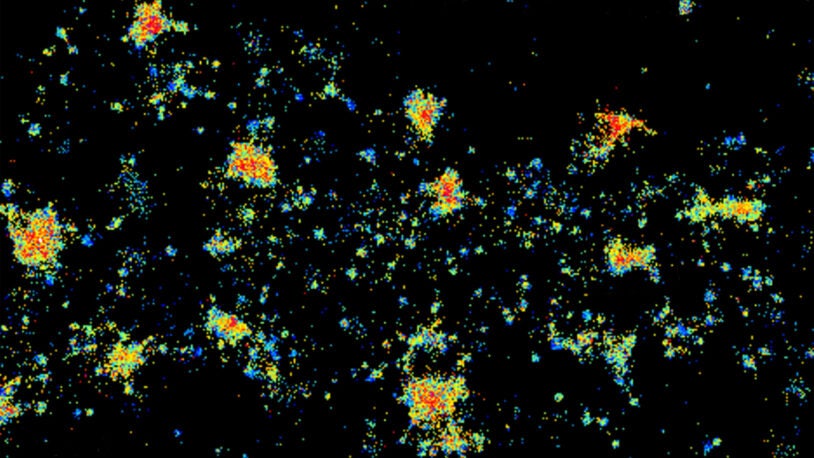
Putting out a brain on fire
October 17, 2024
CSHL Professor Hiro Furukawa sheds new light on anti-NMDAR encephalitis, a rare autoimmune disorder that may be misdiagnosed as schizophrenia.
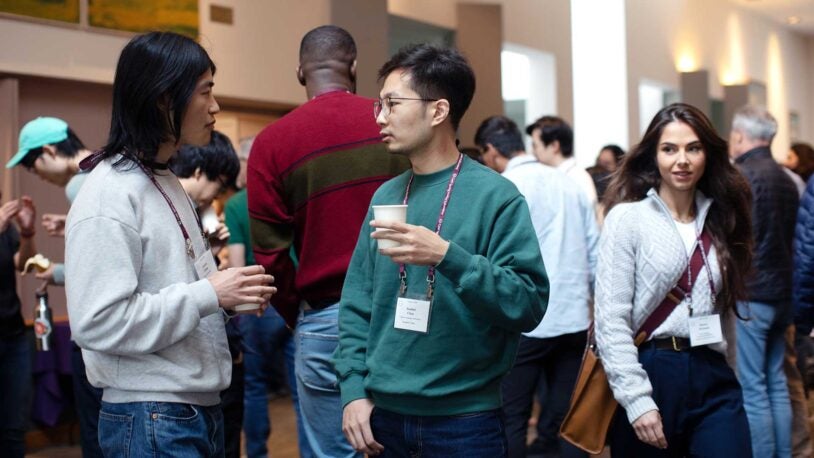
Great minds think AI
October 16, 2024
Innovators and thought leaders in the fields of artificial intelligence and neuroscience came together for a meeting at Cold Spring Harbor Laboratory.
At the Lab Season 1 Research Rewind: Neuroscience
October 15, 2024
What do you think? How do you know? And who are you anyway? We probe each of these questions with the help of Cold Spring Harbor’s neuroscientists.
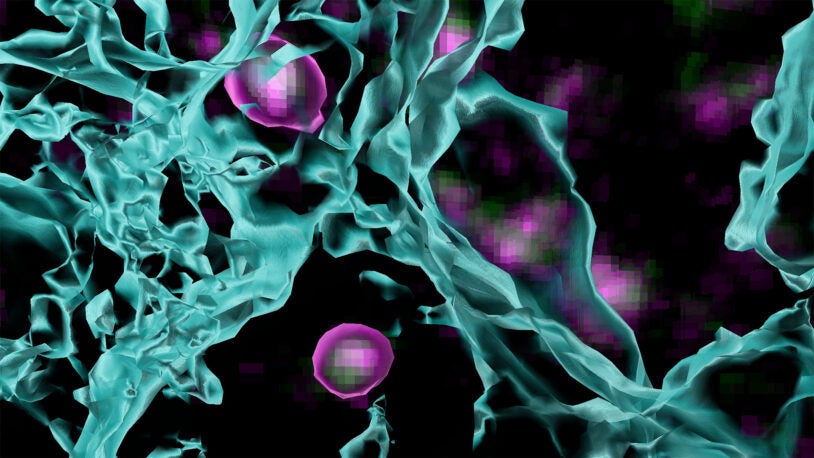
One Experiment: The brain’s landscapers
October 10, 2024
The brain relies on cells called OPCs to refine neural connections. CSHL’s Lucas Cheadle can now look at these synapse pruners in a whole new light.

CSHL postdoc presents breakthrough autism findings
October 7, 2024
Irene Sanchez Martin’s research on prenatal inflammation’s role in autism is showcased at the Society for Neuroscience’s annual meeting.
NeuroAI with an eye on equity
September 30, 2024
Working at the intersection of neuroscience and computer science, CSHL researchers aim to build AI that will benefit everyone, not just the lucky few.
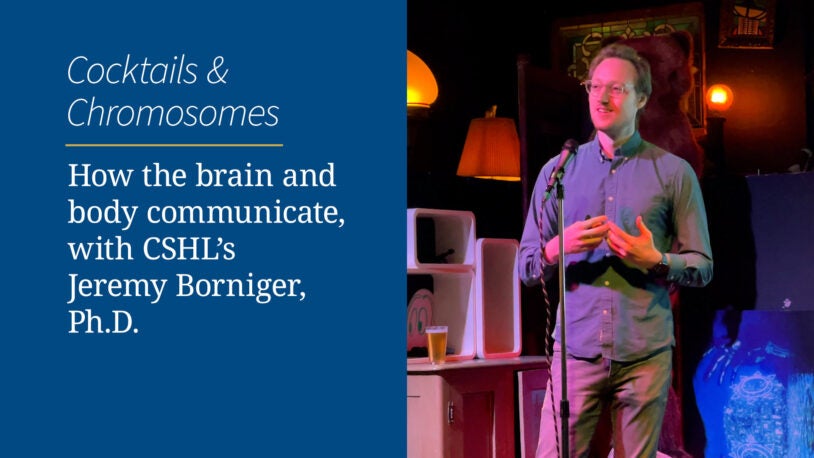
Cocktails & Chromosomes: How the brain and body communicate
September 19, 2024
Hungry? How do you know? To answer questions like this, CSHL’s Jeremy Borniger taps into the circuits controlling brain-body communication.
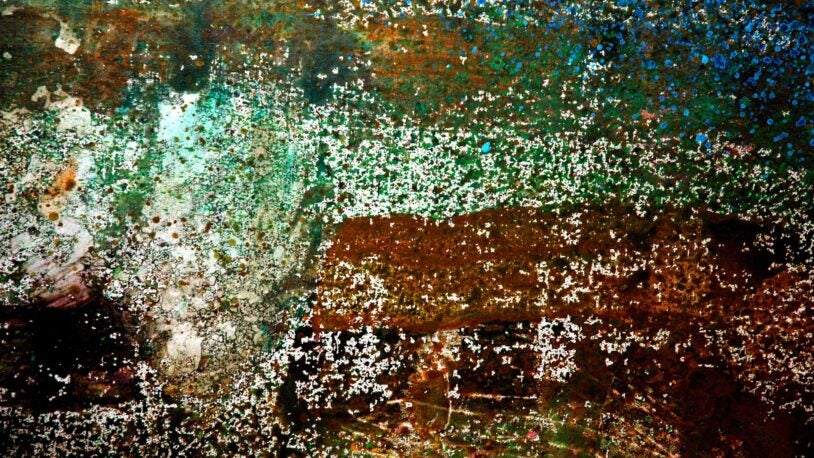
‘Earth Music III’
August 29, 2024
At 11 feet tall, this eye-catching artwork in CSHL’s Grace Auditorium is hard to miss. But what is it?
At the Lab Episode 21: Nature versus nurture
August 27, 2024
What makes you, you? CSHL Assistant Professor Gabrielle Pouchelon looks for answers in the brain’s earliest neural connections.
At the Lab Episode 20: Cleanup on IL-6
August 20, 2024
CSHL Professor Bo Li set out to study a tiny group of neurons involved in cancer cachexia. What he found astounded even him.
At the Lab Episode 19: Brain sex
August 13, 2024
How are sex differences defined in the brain? CSHL Associate Professor Jessica Tollkuhn delivers a thought-provoking primer on a fascinating topic.

This protein does “The Twist”
July 31, 2024
CSHL Professor Hiro Furukawa has figured out how the NMDAR performs a key step in the brain’s cognitive dance.

Northern Lights shine over CSHL
July 25, 2024
The Aurora Borealis? At this time of year? In this part of the country? CSHL’s Arka Banerjee was on the scene to capture the dazzling display.

At the Lab Episode 15: Fruit flies’ dating lives
July 16, 2024
Can AI help us identify the Don Juan of fruit flies? CSHL’s Benjamin Cowley thinks so. Why would we want to do this? Tune in to find out.
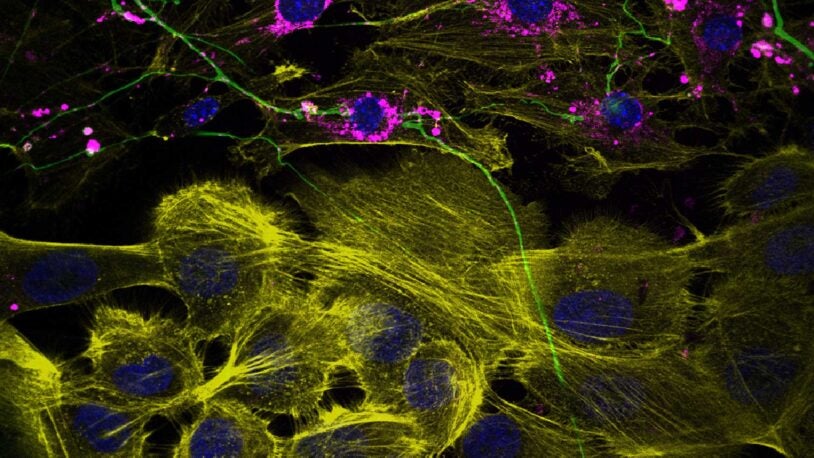
One Experiment: Brain-body’s feathery display
July 15, 2024
An angry peacock is no joke. Like the colorful bird and its tall tail feathers, cancer biology can make for some eye-catching images.
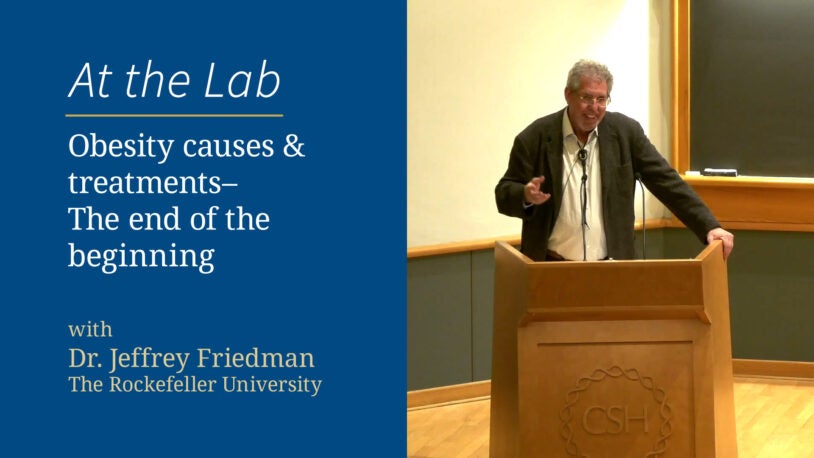
The science behind Ozempic and Wegovy
July 11, 2024
Rockefeller University geneticist Jeffrey Friedman speaks about obesity’s causes and treatments at CSHL’s Brain-Body Physiology Symposium.

Recapping CSHL’s 88th Symposium
July 10, 2024
Thought leaders from around the world came together at CSHL to share and discuss the latest research in brain-body physiology.

How to stop cancer cachexia? Start at the top
July 8, 2024
Professor Bo Li and a team of collaborators from four CSHL labs have discovered a new potential drug target for the lethal wasting disease.

Finding the sweet spot in brain development
July 1, 2024
Short-lived neural connections in the mouse brain can have long-lasting effects on how the animal senses and interacts with the world.
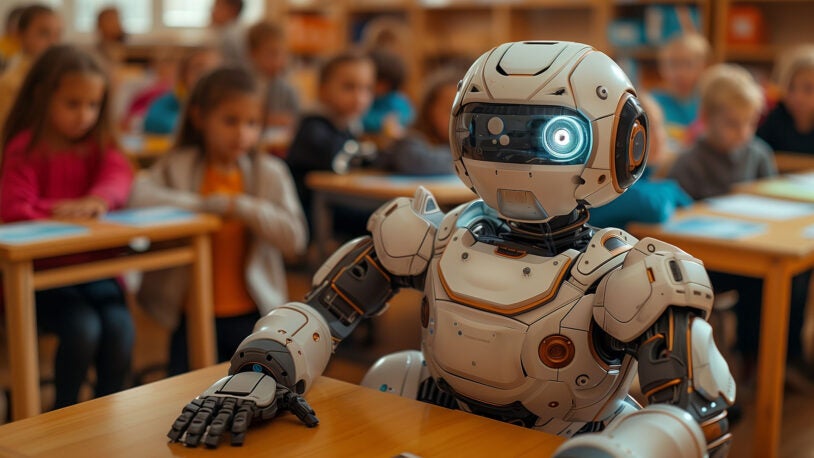
Can AI learn like us?
June 20, 2024
CSHL NeuroAI Scholar Kyle Daruwalla has created an AI neural network that can retain and recall knowledge much like we do.
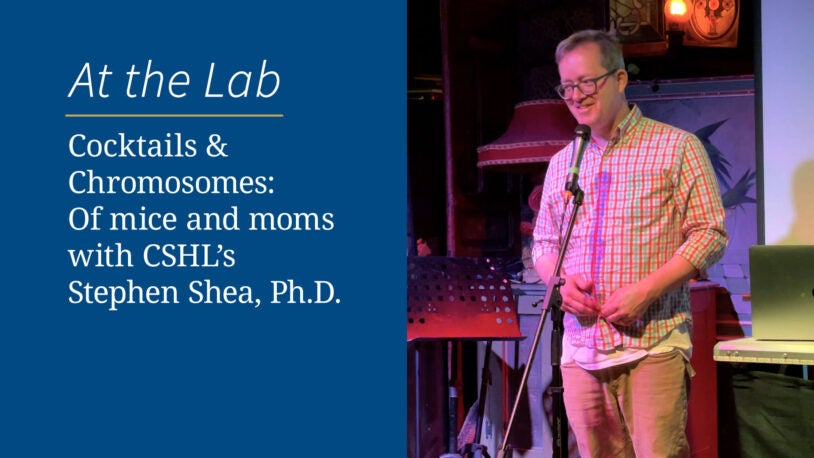
Cocktails & Chromosomes: Of mice and moms
June 13, 2024
The latest installment in our public science talk series fell right between Mother’s Day and Father’s Day. CSHL’s Stephen Shea took it from there.
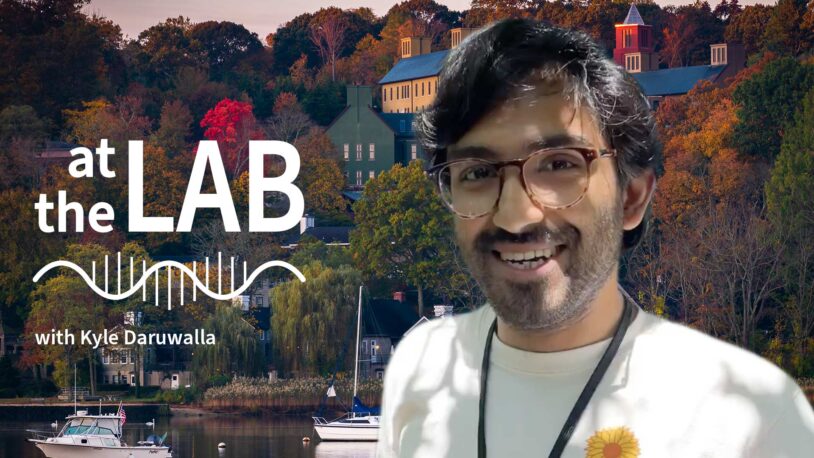
At the Lab Episode 11: AI brainiacs
June 11, 2024
What is neuroAI, and how does it help both neuroscientists and computer scientists? In this week’s podcast, CSHL’s Kyle Daruwalla explains.
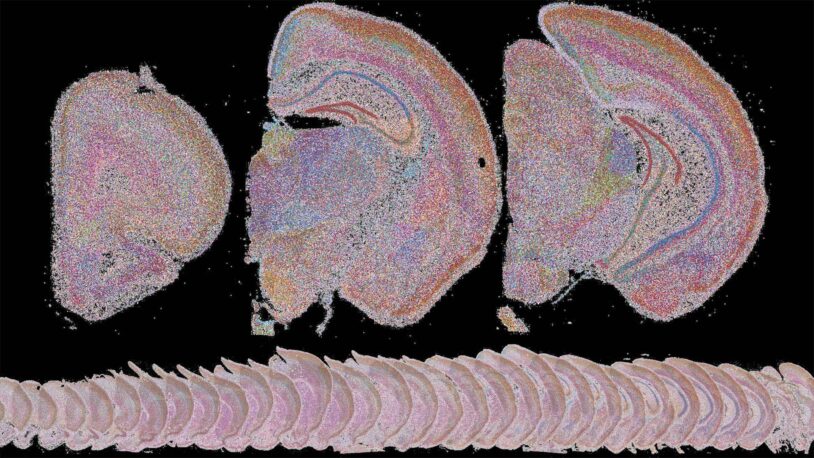
Mapping the mind with BARseq
June 3, 2024
CSHL Professor Anthony Zador’s powerful brain-mapping tool has received a major upgrade. Instead of thousands of neurons, it can now map millions.
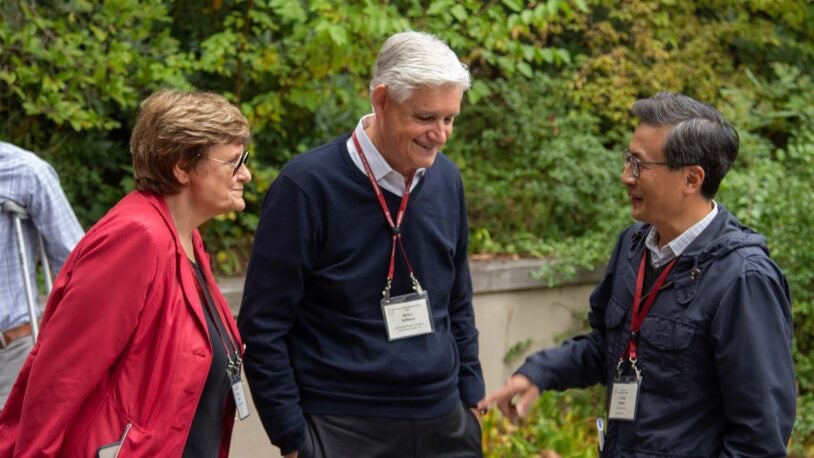
President’s essay: The continuous cycle of discovery
May 30, 2024
CSHL President & CEO Bruce Stillman discusses our institution’s societal impacts and global connections as forces for further scientific progress.
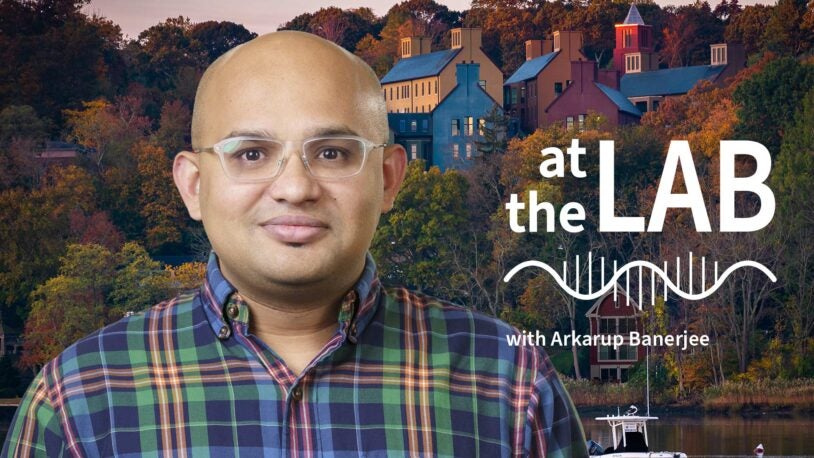
At the Lab Episode 9: Musical mice
May 28, 2024
We put the ‘mice’ in ‘maestro,’ with singing lessons from Cold Spring Harbor Laboratory neuroscientist Arkarup Banerjee.
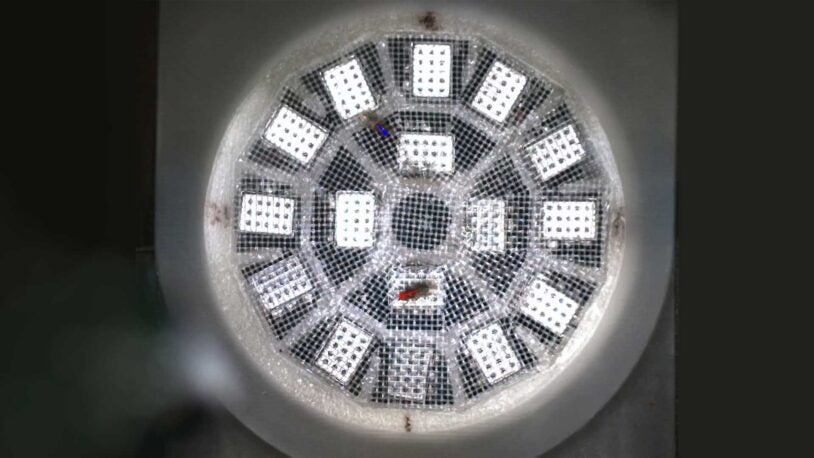
New AI accurately predicts fly behavior
May 22, 2024
CSHL’s Benjamin Cowley trained an artificial intelligence model to predict how real-life fruit flies will act in response to specific visual stimuli.
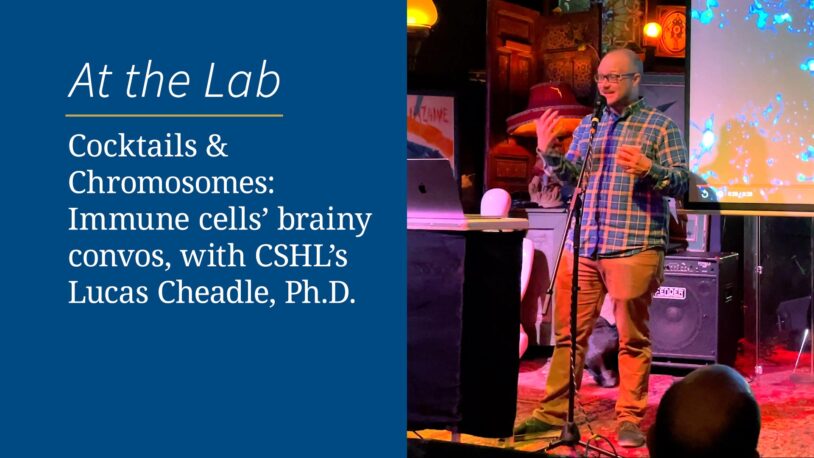
Cocktails & Chromosomes: Immune cells’ brainy convos
May 20, 2024
CSHL Assistant Professor Lucas Cheadle invites you to listen in to the ongoing conversation between your immune system and your brain.
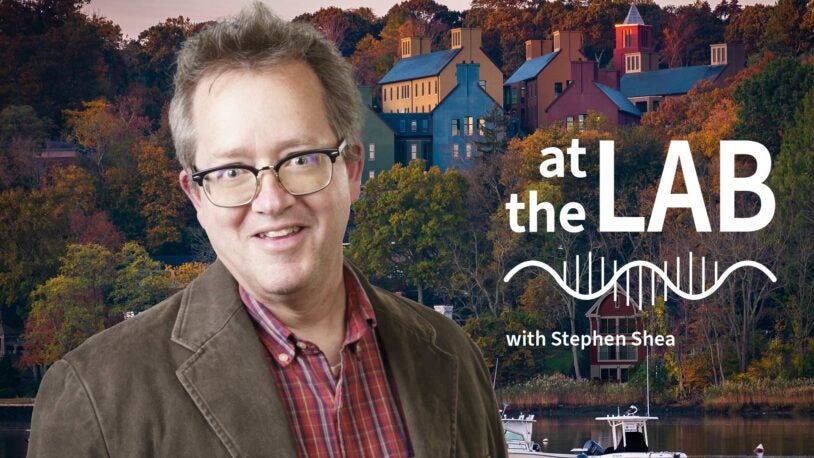
At the Lab Episode 6: Supermoms to the rescue
May 7, 2024
Happy almost Mother’s Day! What drives a supermom to come to the rescue when her child is upset? CSHL’s Stephen Shea shares the biological backstory.
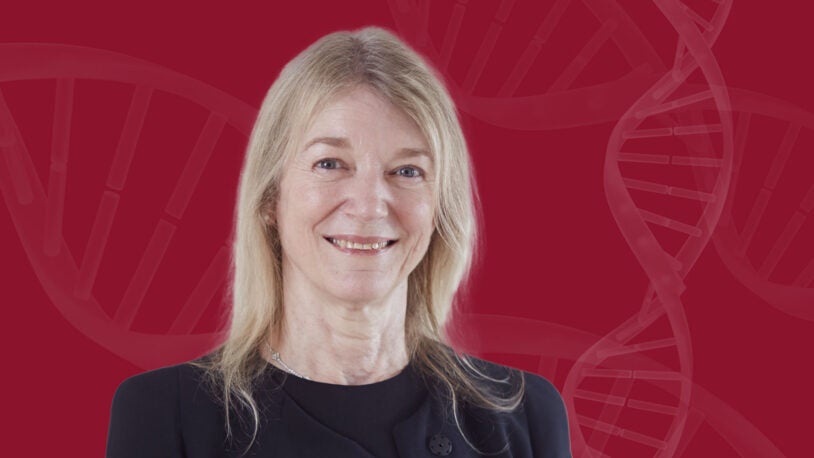
CSHL awards honorary degree to esteemed neurobiologist
May 5, 2024
The CSHL School of Biological Sciences awarded its honorary Doctor of Science degree to neuroscientist and geneticist Cori Bargmann Ph.D.
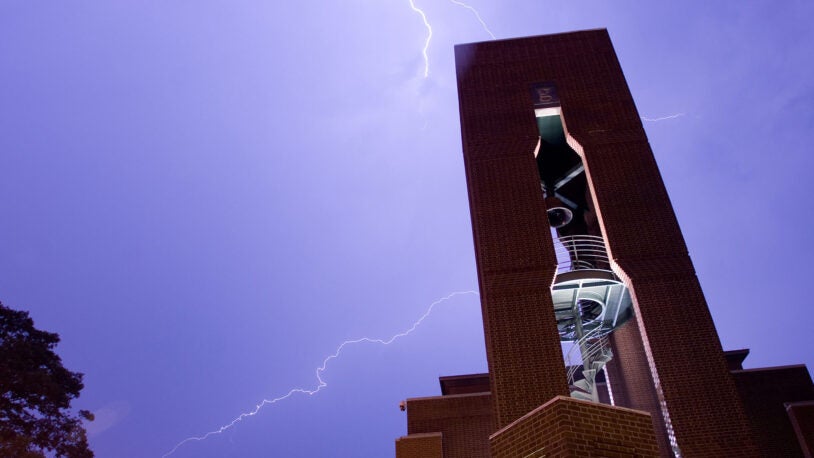
Hazen Tower
April 25, 2024
The Italian-style bell tower anchors CSHL’s Neuroscience Center. Its bell has rung out every hour on the hour, from 8 a.m. to 8 p.m., since 1991.
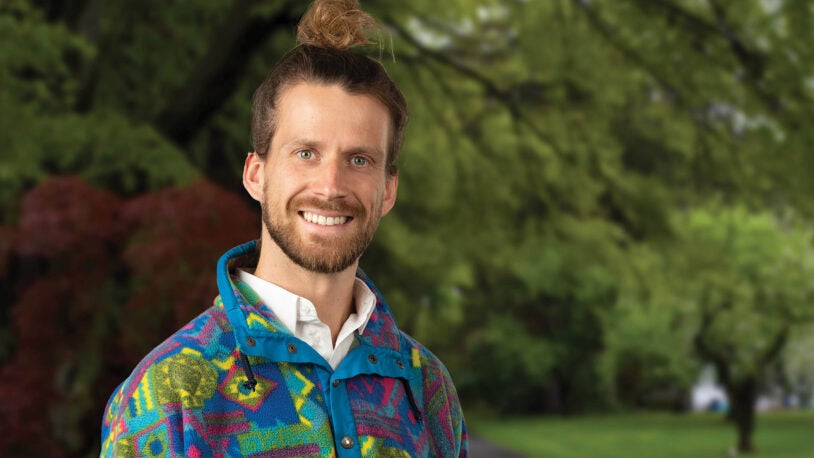
David Klindt joins CSHL neuroAI team
April 25, 2024
The new assistant professor will study how our brains navigate a continuously changing sensory environment: His goal: build more sensible AI.
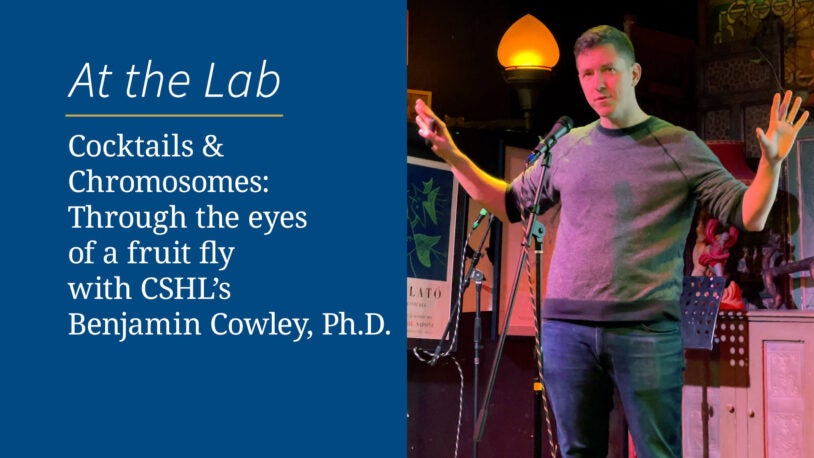
Cocktails & Chromosomes: Through the eyes of a fruit fly
April 18, 2024
CSHL Assistant Professor Benjamin Cowley takes us inside the mind’s eye, using an AI model of this tiny insect’s brain.
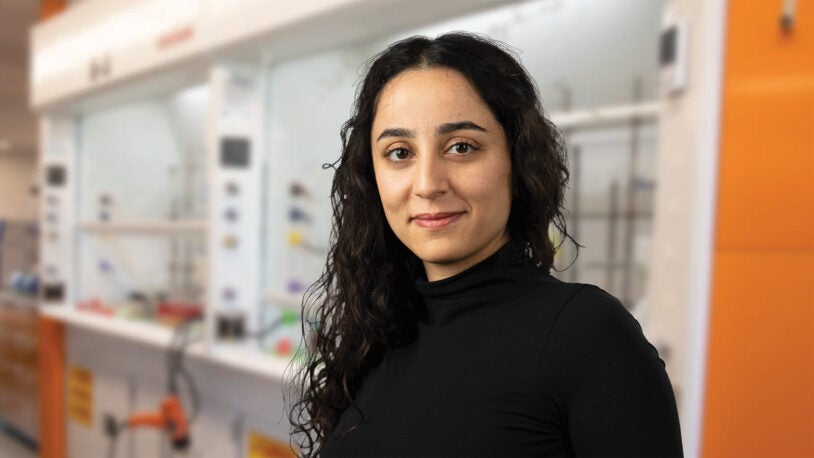
Mitra Javadzadeh joins CSHL neuroscience faculty
April 18, 2024
Javadzadeh is the newest Cold Spring Harbor Laboratory fellow. Her lab studies how the brain processes visual information.
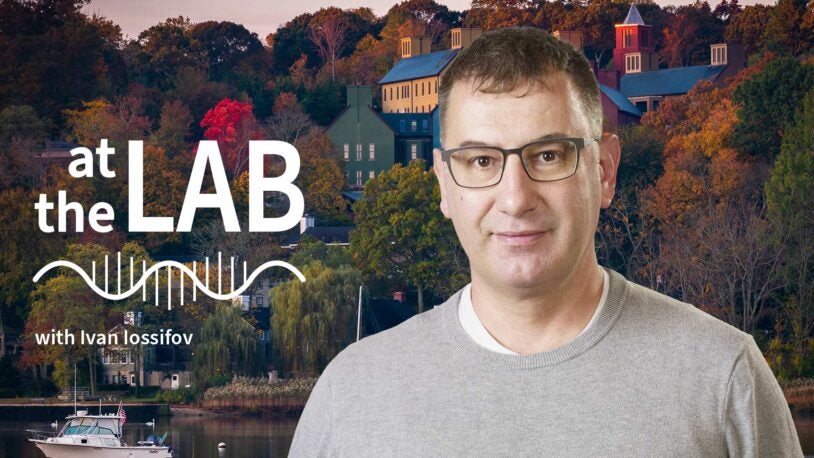
At the Lab Episode 3: Autism Awareness Month
April 16, 2024
It’s Autism Awareness Month! CSHL Professor Ivan Iossofiv shares what researchers know about autism so far and how they plan to uncover its origins.
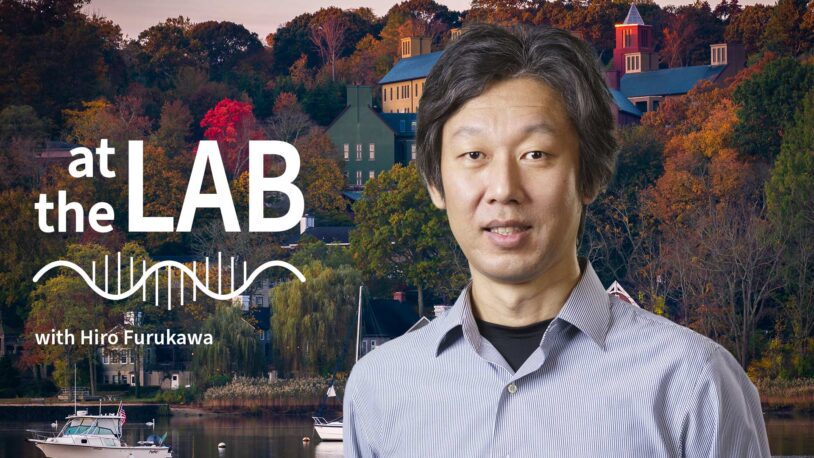
At the Lab Episode 2: Molecular puppetry
April 9, 2024
CSHL neuroscientist Hiro Furukawa shows us a part of the brain that actually works like a puppet master. What could this mean for mental health?
Women’s health quiz
March 19, 2024
CSHL research has yielded insights into a number of women’s health topics, from menopause to breast cancer. Take this quiz to see how far we’ve come.
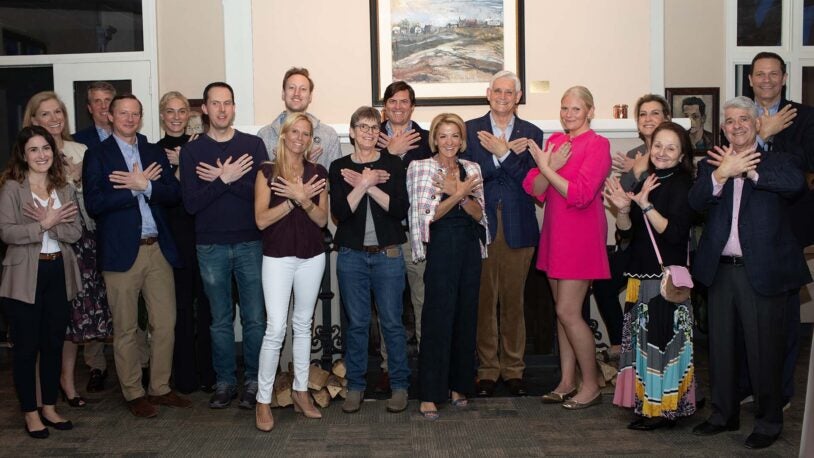
New hope in the fight against neurofibromatosis
March 18, 2024
A partnership between CSHL and the Penny’s Flight Foundation aims to find a cure for NF1, the world’s most common single-gene neurological disorder.
A call for support of trans scientists
March 14, 2024
CSHL Postdoctoral Fellow Simón(e) Sun has co-authored an article titled “Rigorous Science Demands Support of Transgender Scientists.”
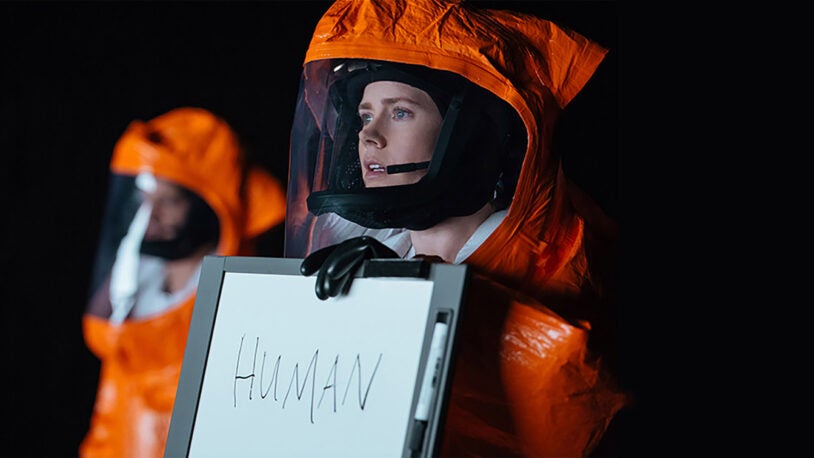
Alien language: CSHL returns to Cinema Arts Centre
March 12, 2024
March 26: CSHL neuroscientist Arkarup Banerjee discusses “Mysteries of Language & Communication” at a special screening of sci-fi blockbuster Arrival.
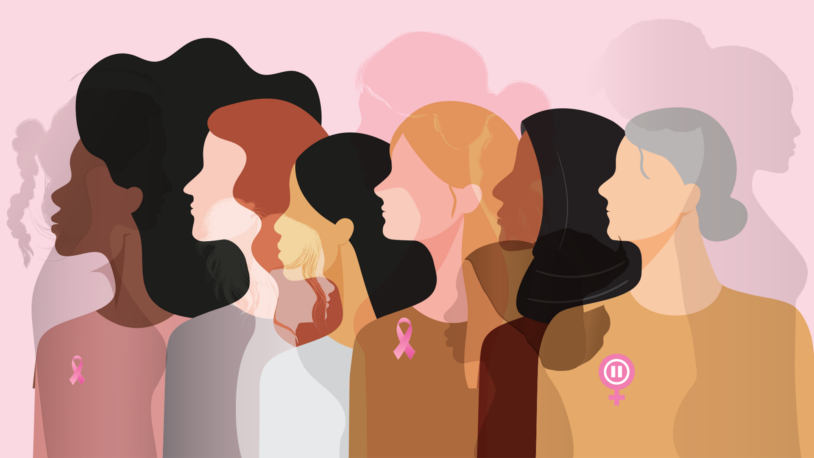
Women in science on women’s health
March 8, 2024
CSHL’s Camila dos Santos and Jessica Tollkuhn offer empowering insights into breast cancer prevention, pregnancy, menopause, and hormone therapy.
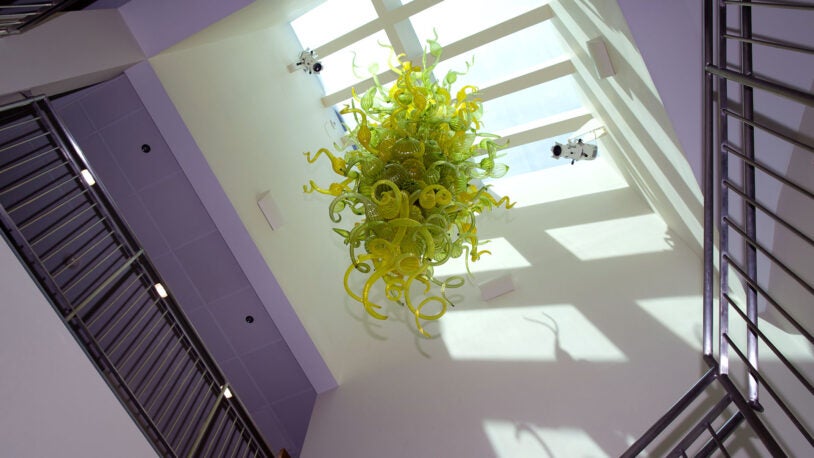
‘Twisting Dendrites’
February 21, 2024
It’s not a sea creature. It’s in your brain. For over 20 years, this sculpture has inspired cutting-edge neuroscience research at CSHL.
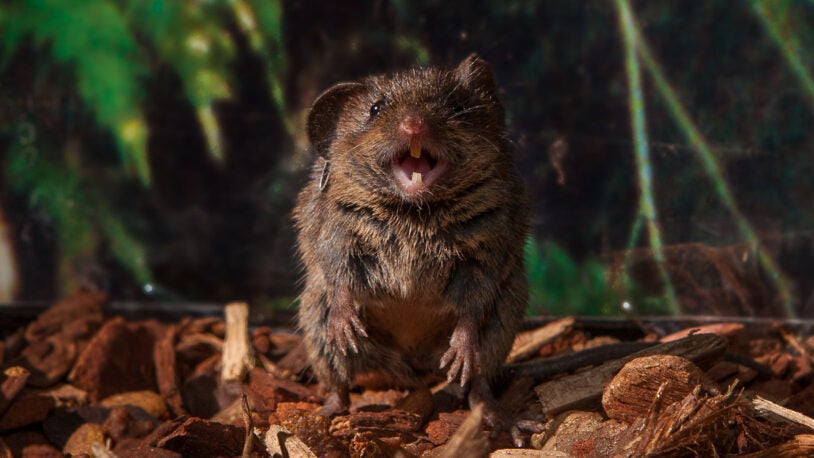
How a mouse’s brain bends time
January 30, 2024
How does the brain govern communication? It’s all about timing. CSHL investigates with the help of a “musical” mouse from Costa Rica.
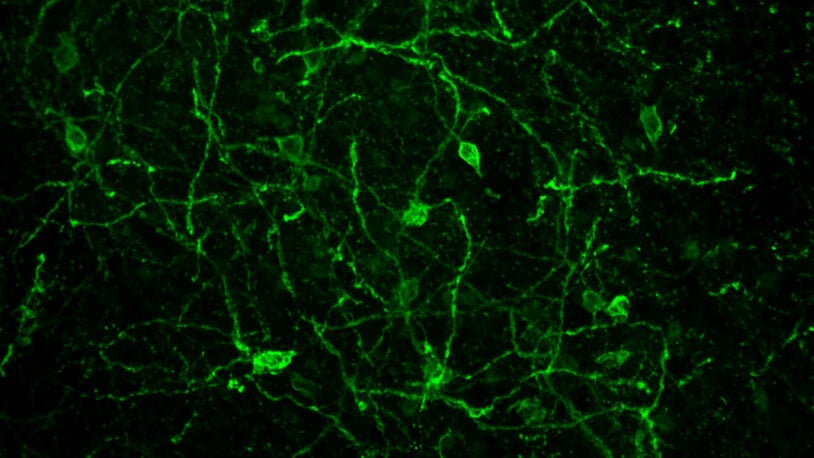
One Experiment: The brain’s power lines
January 22, 2024
Everyone is “wired” differently. CSHL Associate Professor Jessica Tollkuhn maps the genes sex hormones use to shape developing brains.
Cocktails & Chromosomes: Best shots of 2023
January 16, 2024
After a four-year hiatus, Cocktails & Chromosomes returned in 2023. Relive the past year’s best moments and see what’s in store for 2024.
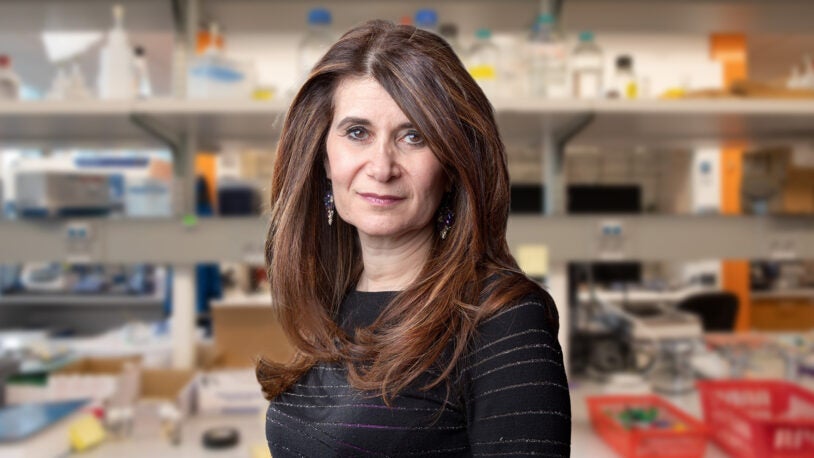
Joshua-Tor named CSHL Director of Research
January 2, 2024
The Cold Spring Harbor Laboratory professor and HHMI investigator steps into her new role effective January 2, 2024.
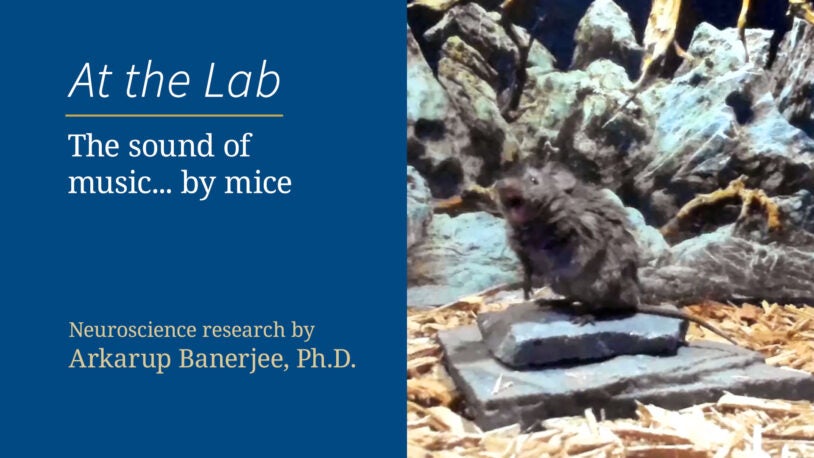
The sound of music … by mice
December 22, 2023
Ever hear a mouse sing? Now you can. Listen to a pair of mice duets and see how their “songs” are helping scientists figure out how the brain works.
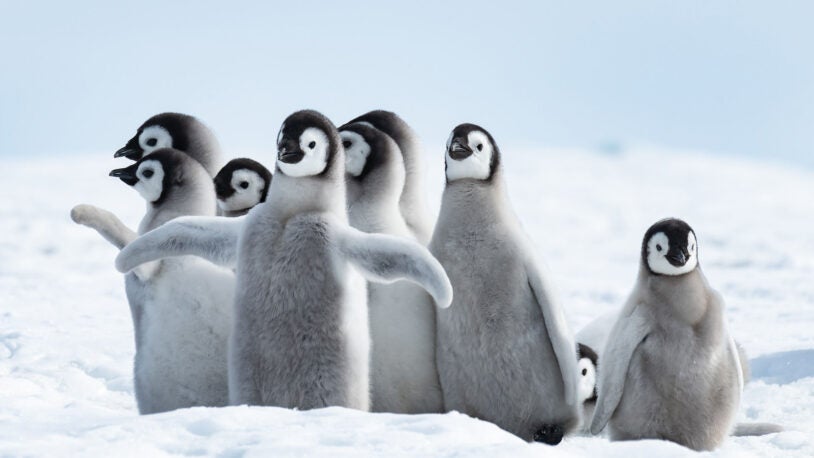
Animal behavior quiz
December 20, 2023
Take this short quiz to see how much you know about the science of social behavior.
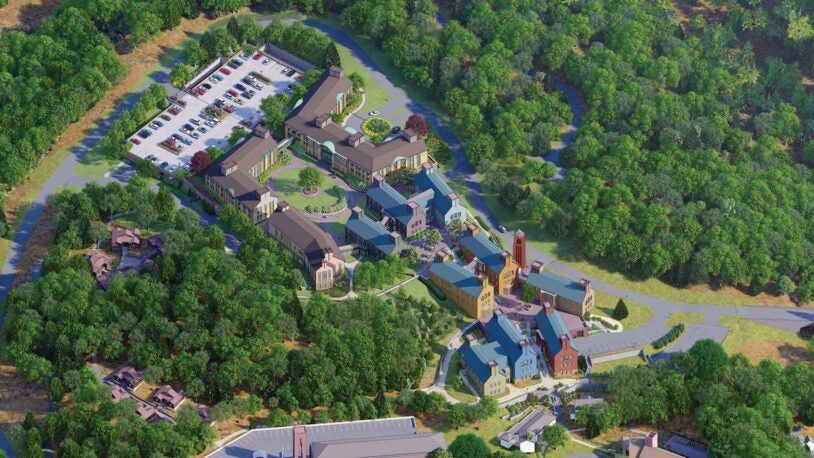
Foundations for the Future: Blueprint for tomorrow
November 13, 2023
Cold Spring Harbor Laboratory’s Advancement team provides an overview of the institution’s newly launched seven-acre expansion project.
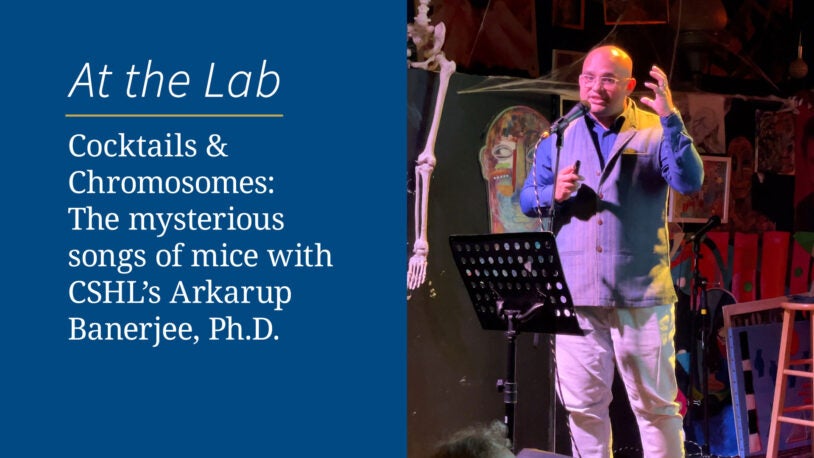
Cocktails & Chromosomes: The mysterious songs of mice
November 9, 2023
Mysterious but polite! CSHL’s Arkarup Banerjee breaks down the animals’ call-and-response routine in our latest talk at Industry in Huntington, NY.
Zador wins maiden NIH BRAIN CONNECTS grant
October 24, 2023
Zador and collaborators have been awarded over $2 million to fine-tune a new brain mapping technique—one that might help transform the field.
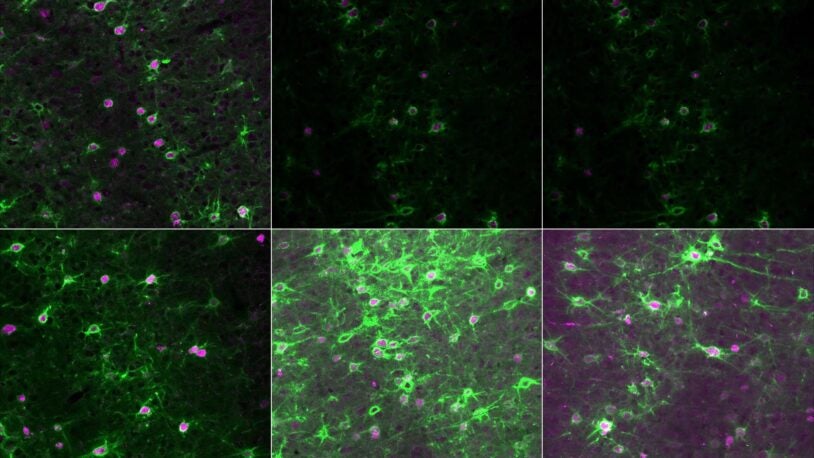
Reactivate, repurpose, and rewire the brain
October 4, 2023
New CSHL research on Rett syndrome could also have implications for autism spectrum disorders, dementia, and Alzheimer’s disease.
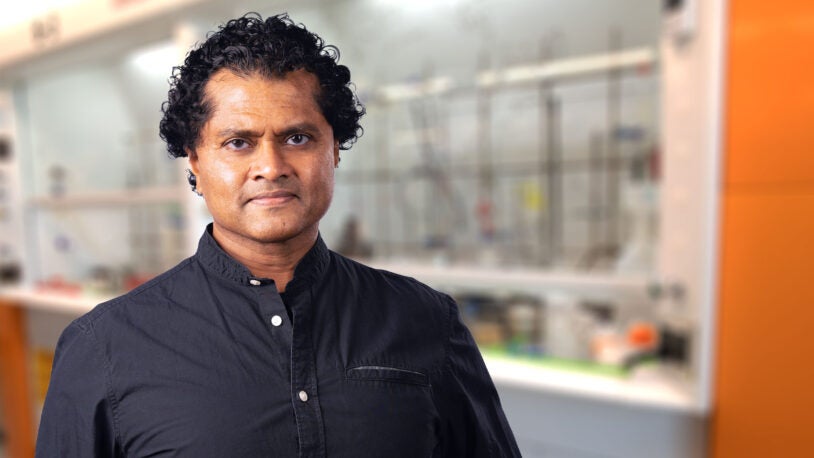
Mitra among first awarded NIH BRAIN CONNECTS grant
September 26, 2023
New National Institutes of Health initiative aims to generate an atlas of brain connections, offering new insights into neurological disorders.
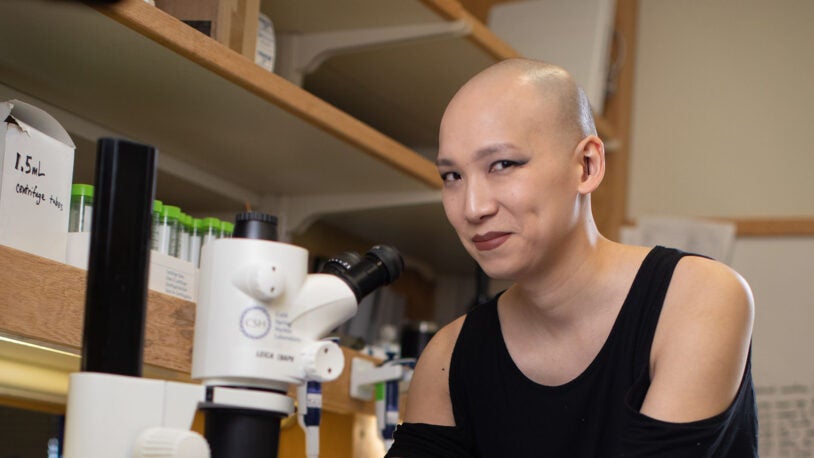
Simón(e) Sun named 2023 HHMI Hanna Gray Fellow
September 19, 2023
The Howard Hughes Medical Institute will provide Sun, a postdoc in the Tollkuhn lab at CSHL, up to $1.5 million over a period of up to eight years.
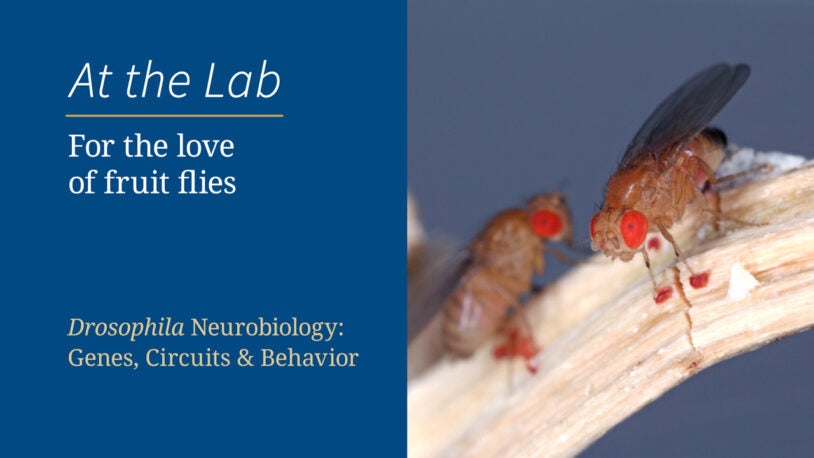
For the love of fruit flies
September 11, 2023
Fruit flies use their wings to generate “music” to attract mates. Watch the male try to woo potential partners with a little liquid courage.
CSHL is abuzz with fruit fly neuroscience course
July 21, 2023
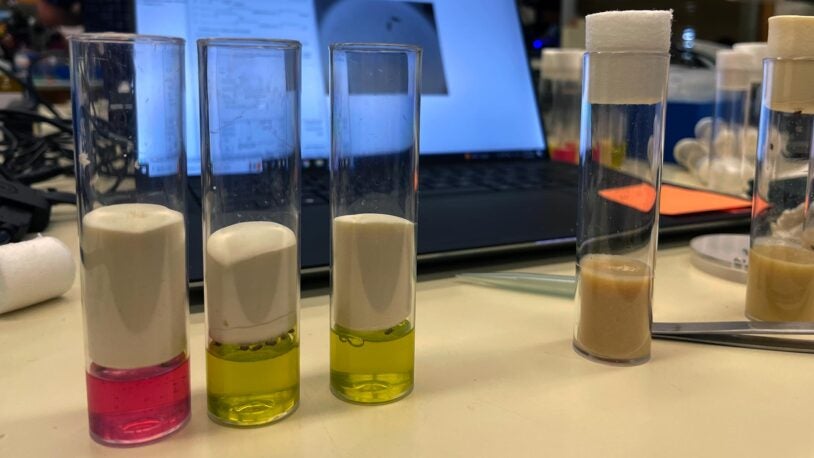
After nearly 40 years, CSHL remains the spot to learn the latest and hottest trends in fruit fly neuroscience.
This eight-armed octopus-like pore perceives taste
July 14, 2023
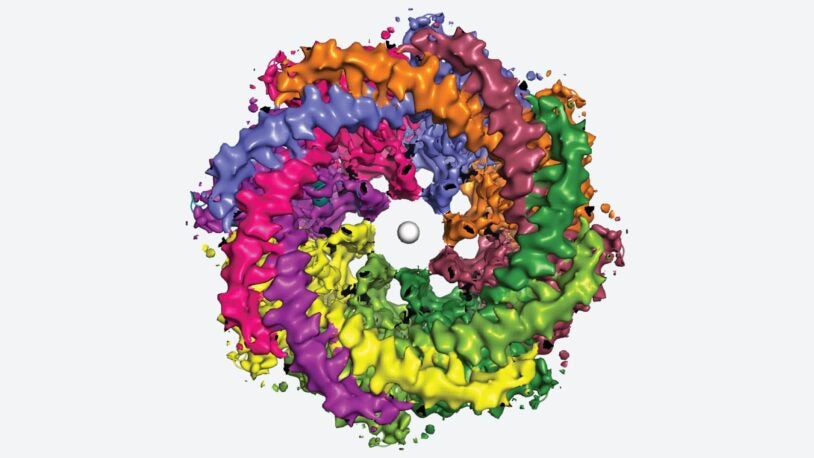
CSHL captures never-before-seen images of the human CALHM1 channel, a mysterious cellular passageway that may be connected to Alzheimer’s disease.

Bite into this diet and disease quiz
July 5, 2023
Test your knowledge of how diet and nutrition affect health and disease with this short quiz.
Banerjee awarded Klingenstein-Simons Neuroscience Fellowship
July 1, 2023
The CSHL neuroscientist will receive $300,000 over three years to study singing mice. Their “songs” could help explain how the brain drives speech.
Is today’s AI actually intelligent or just acting?
June 1, 2023
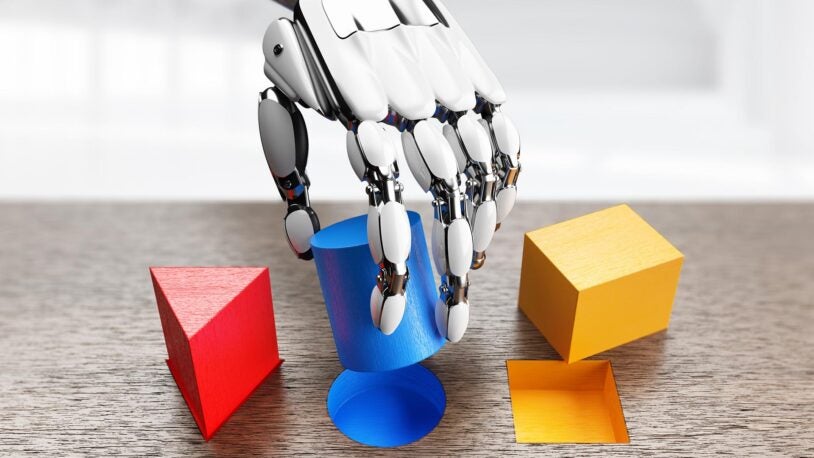
Before it can change the world, AI must learn to walk. To help get it there, Professor Anthony Zador has proposed a new ‘embodied’ Turing test.
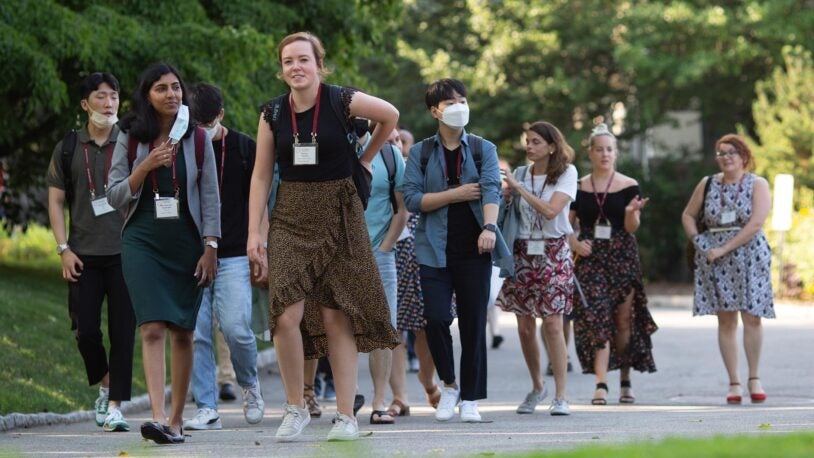
President’s essay: Bringing bold visions to life
May 26, 2023
CSHL President & CEO Bruce Stillman sees the Laboratory as a global hub for scientific expertise and a powerful launchpad for early-career scientists.
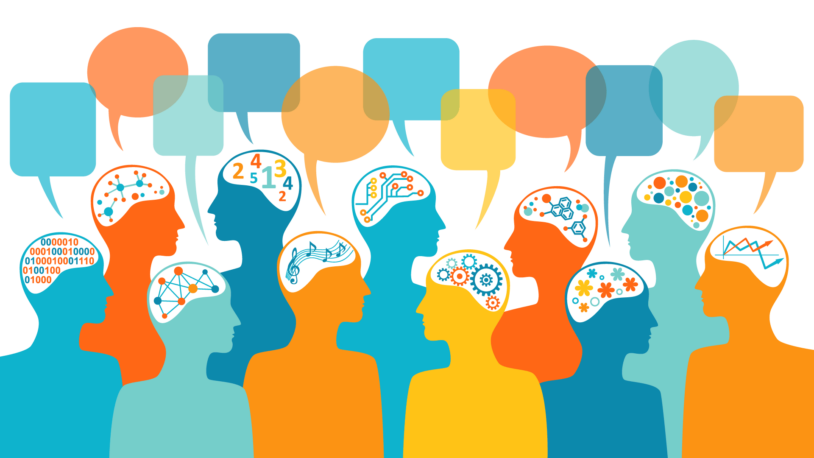
The evolution of autism research
May 25, 2023
The conversation around autism has evolved over the past two decades. So has CSHL research. This retrospective shows how we’ve helped move the needle.
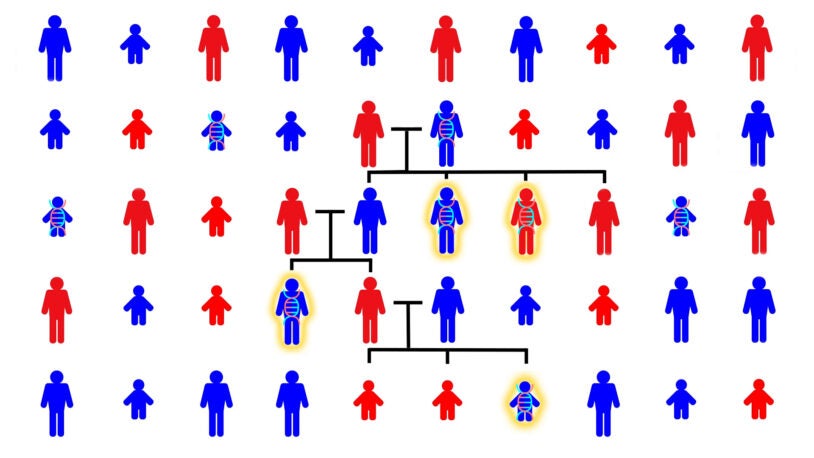
Siblings with autism share more of dad’s genome, not mom’s
May 22, 2023
CSHL study of more than 6,000 volunteer families overturns a long-held assumption about the genetic origins of autism spectrum disorder.
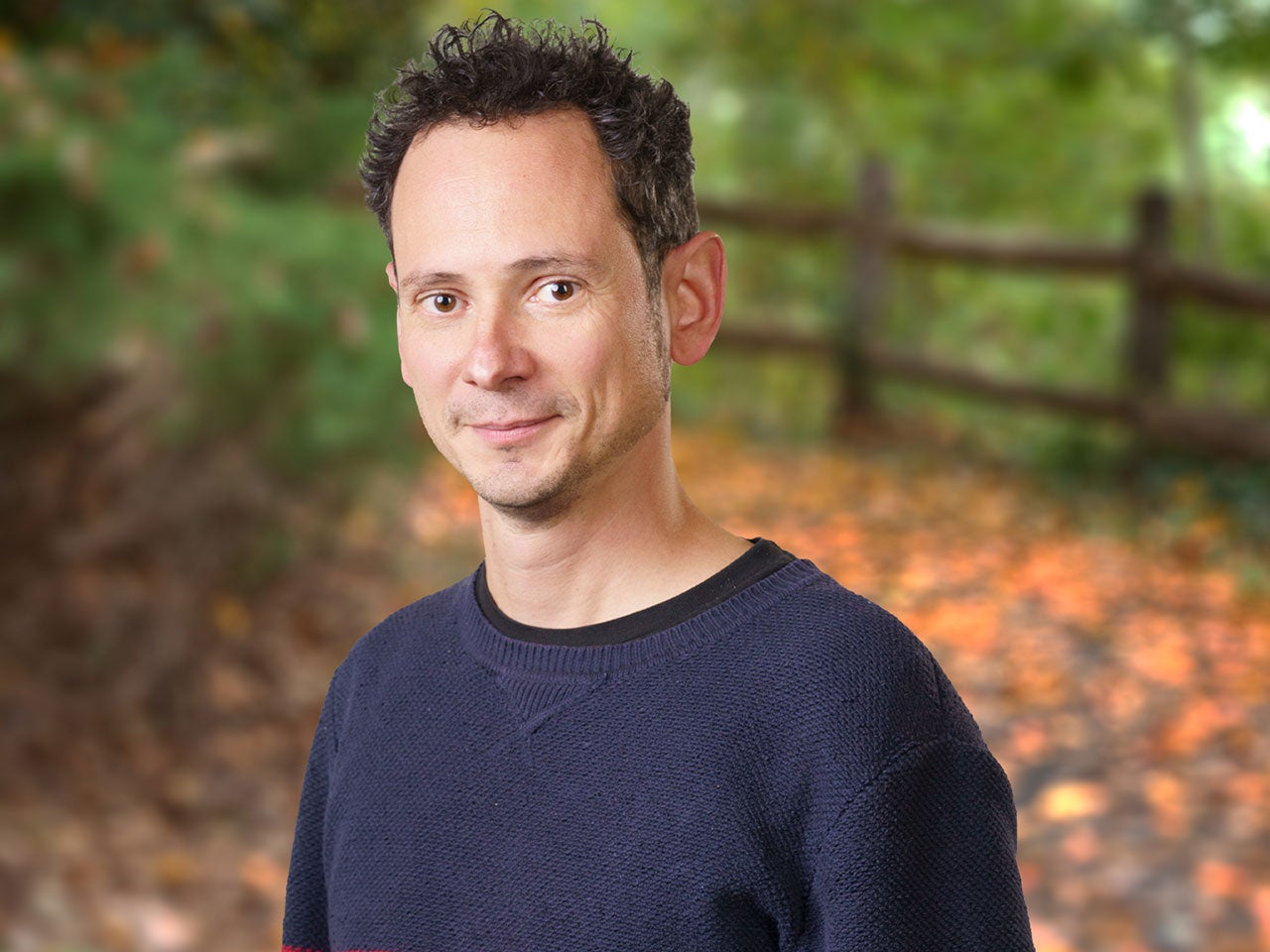
Dinu Florin Albeanu
The broad scope of our research is understanding the algorithms the brain uses to relate actions to perception by: 1) determining how the brain generates sensorimotor predictions via internal models of the world, and computes error signals in changing environments, and 2) discovering the logic of the odor space and the neural representations underlying olfactory perception.
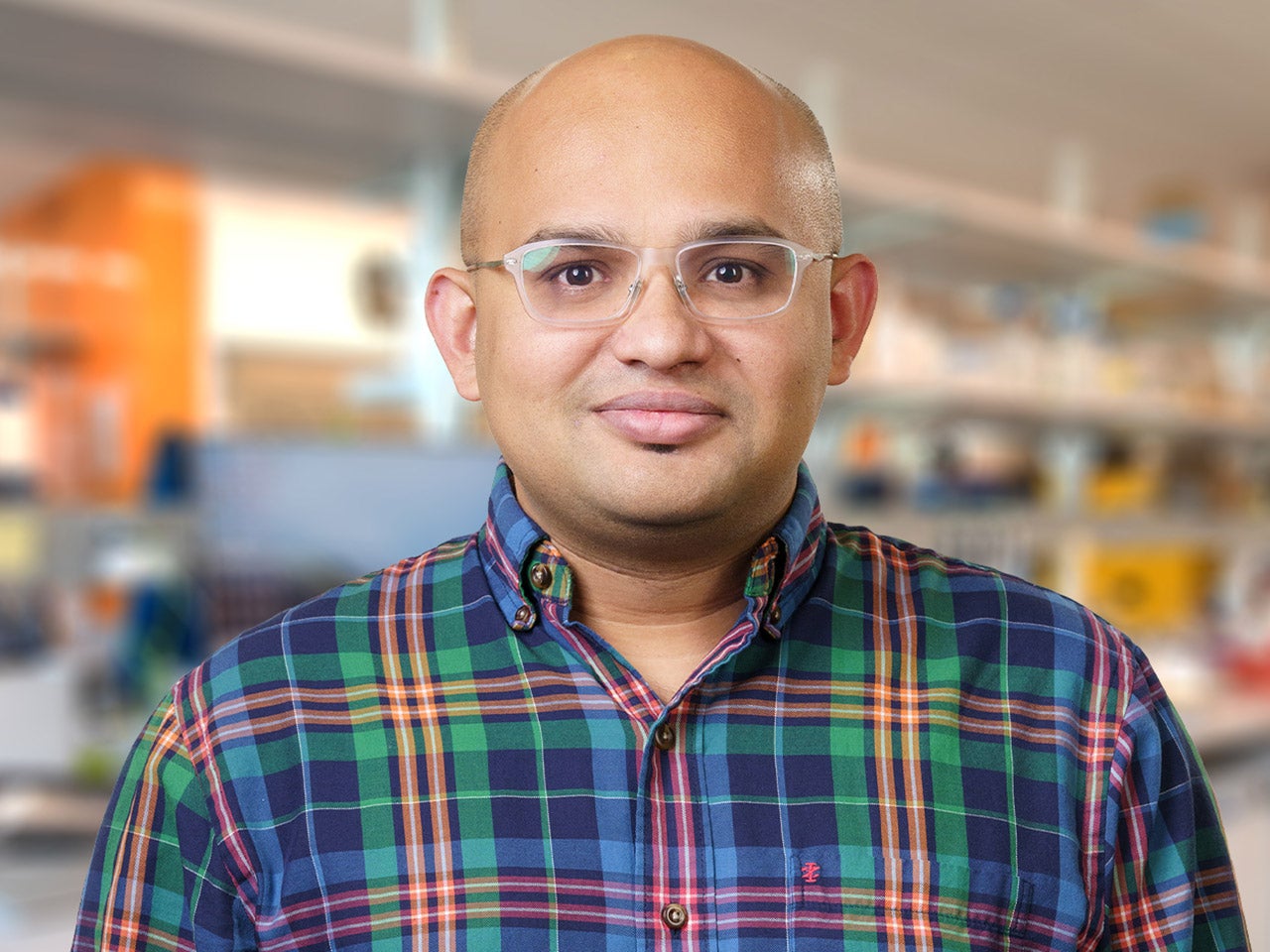
Arkarup Banerjee
During a conversation, our brain must interpret what we hear and control our vocal response. How does the brain transform these auditory sensations into action? My laboratory uses singing mice as a model system to investigate the neural circuits in the brain that underlie vocal communication in mammals.
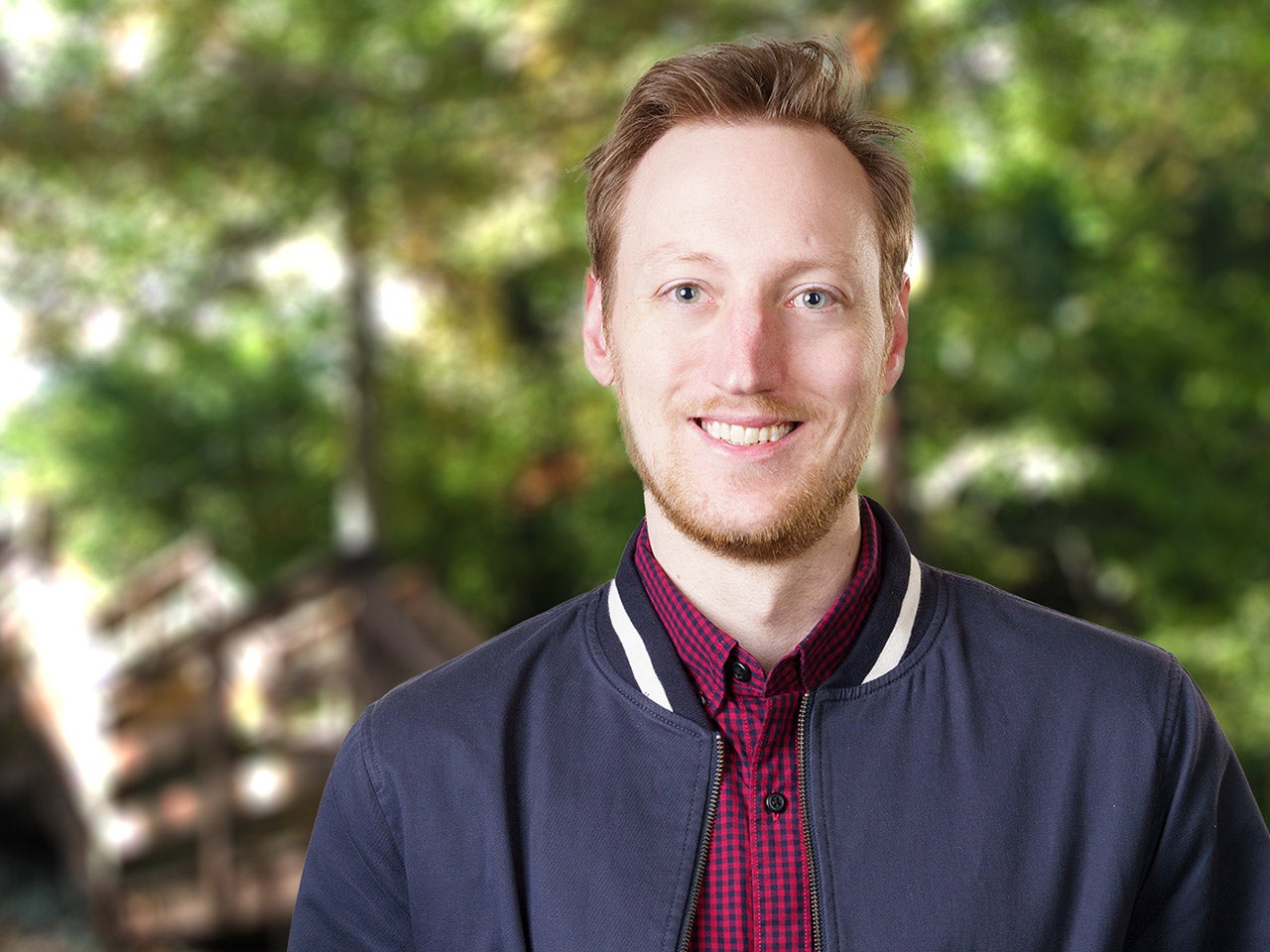
Jeremy C. Borniger
Patients with cancer frequently experience debilitating symptoms that can impair quality of life and reduce odds of survival. These include drastic changes in appetite, sleep/wake cycles, cognitive function, and pain, among others. Our lab aims to uncover mechanistic interactions between the brain and cancer that drive these phenomena. Reciprocally, we investigate how manipulation of specific brain circuits influences cancer processes in the body.
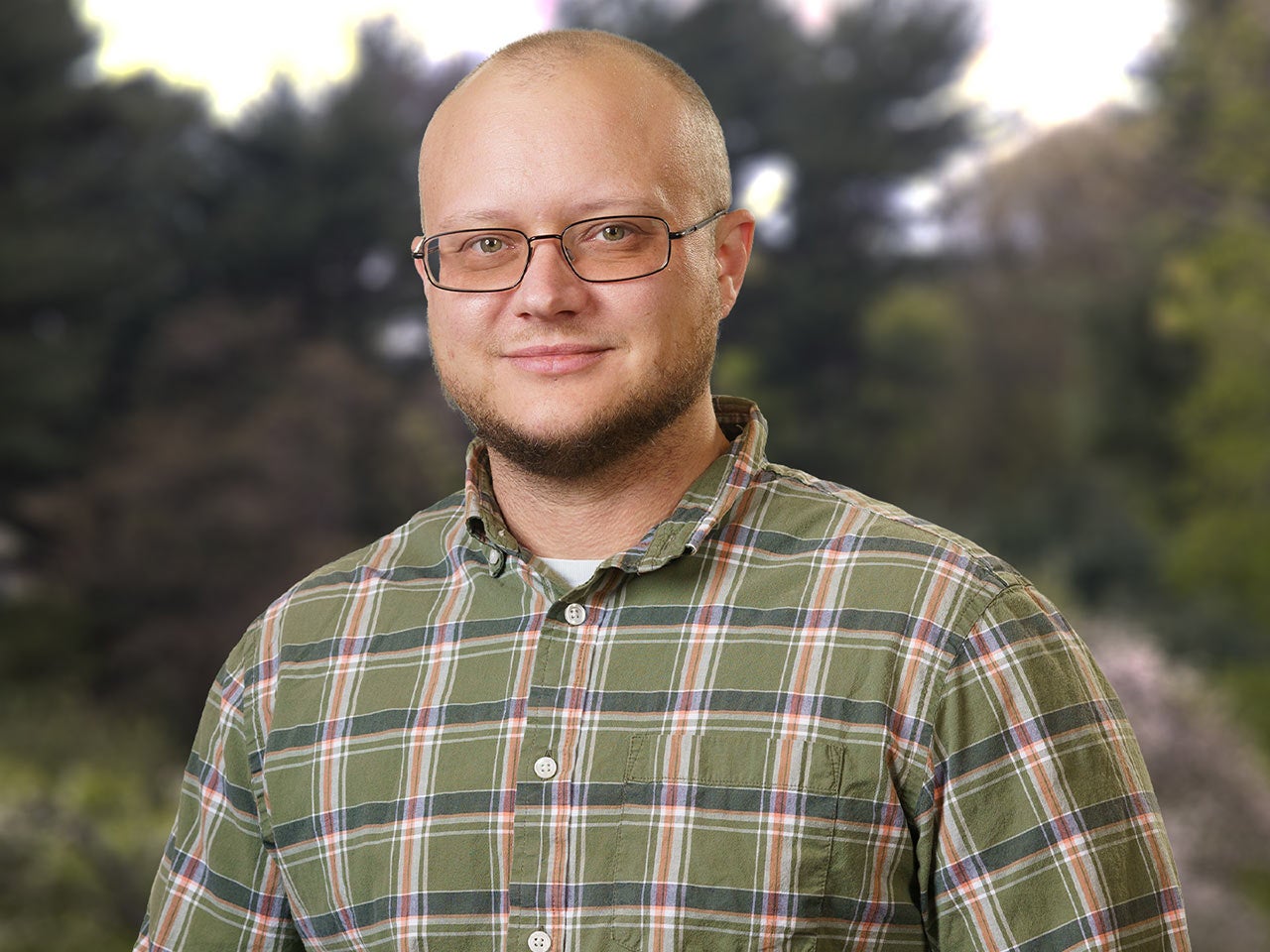
Lucas Cheadle
The trillions of connections between brain cells enable complex thought and behavior. These connections are wired with great precision through both genetics and in response to an organism’s experiences. Our lab seeks to understand how experiences engage specialized immune cells called microglia to shape the connectivity and function of the brain. We are further interested in how impairments in these processes can contribute to neurodevelopmental disorders such as autism.
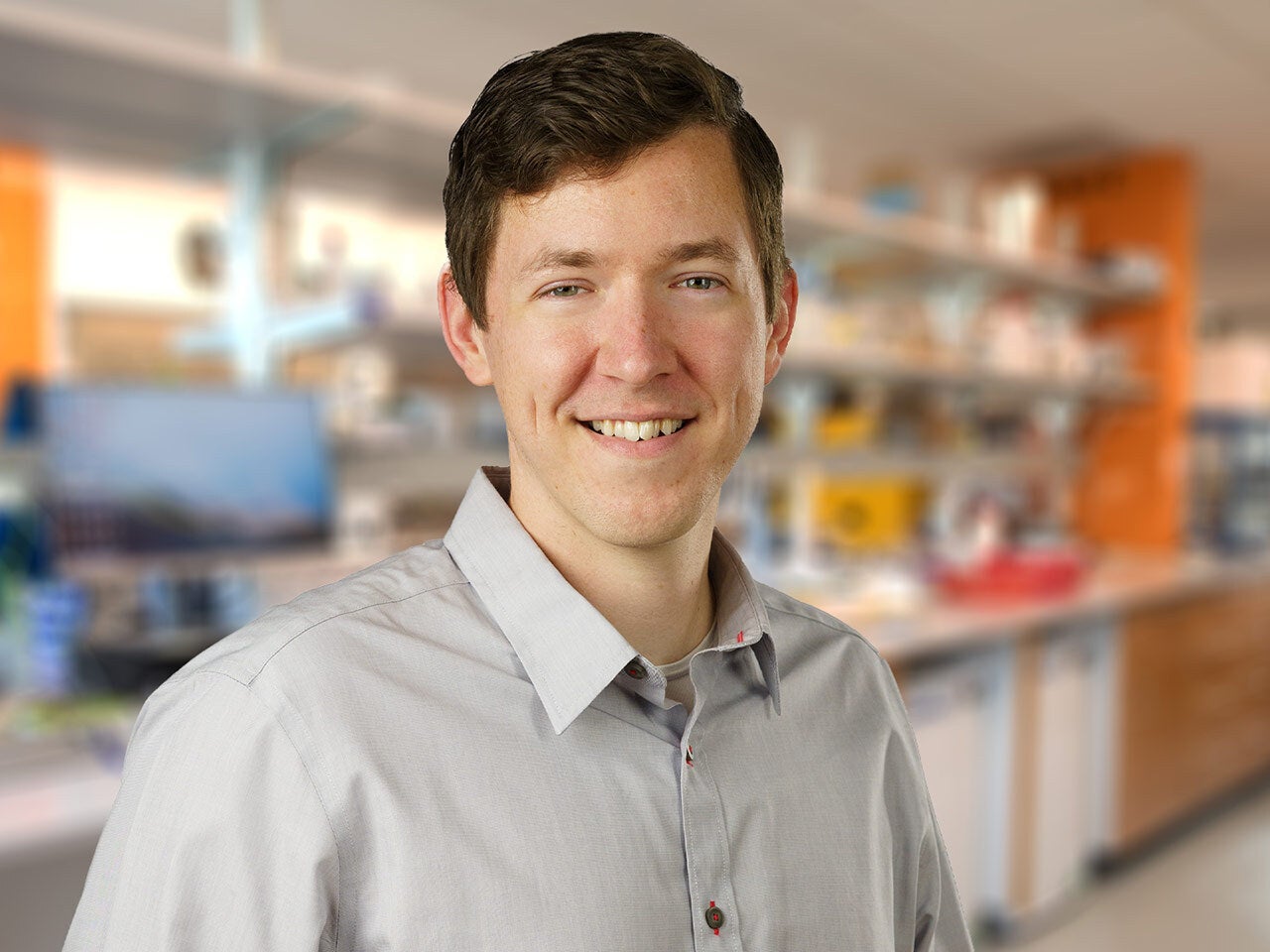
Benjamin Cowley
How do we identify and describe the step-by-step computations of the brain? The Cowley group identifies data-driven models of neural responses and behavior by coupling data collection with model training during closed-loop experiments. We condense these models into compact, interpretable forms—allowing us to describe the complicated computations of the brain in a clear and concise way.
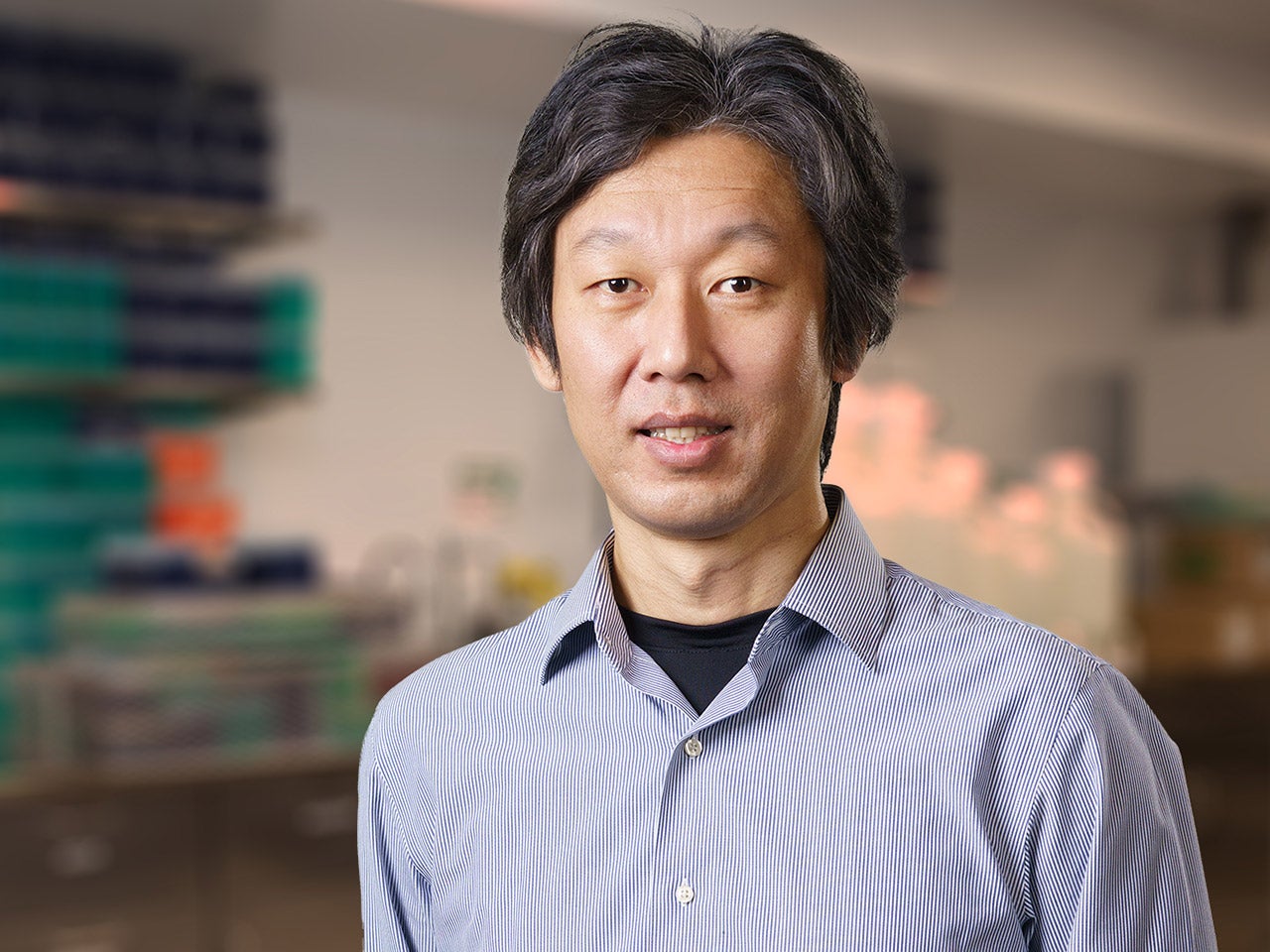
Hiro Furukawa
The nervous system transmits information by passing chemical signals from one nerve cell to the others. This signal transmission relies on a variety of proteins to receive and transmit the chemical signals. My group studies the structure and function of neurotransmitter receptors and ion channels that regulate fundamental neuronal activities.
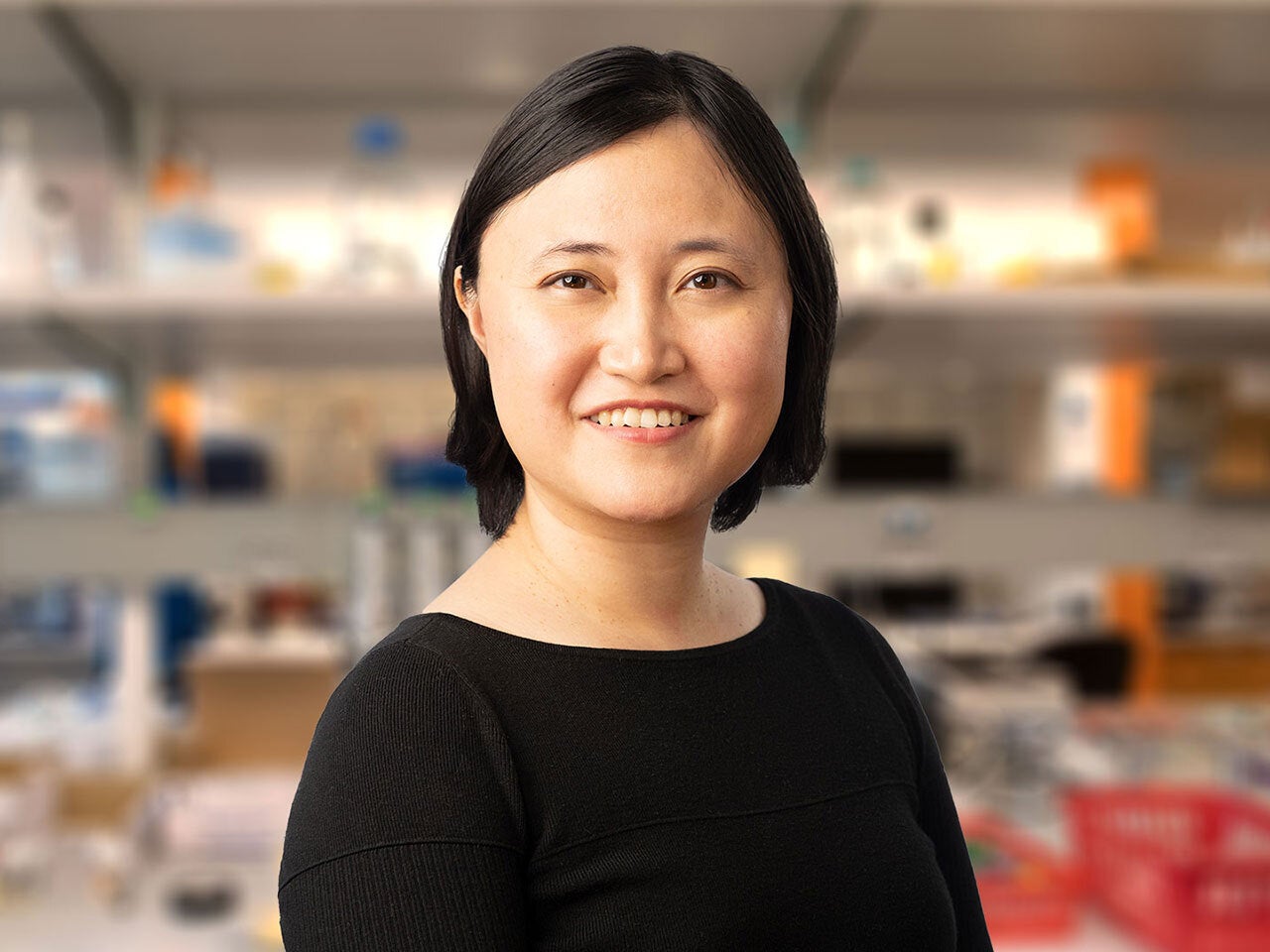
Helen Hou
The brain-body interaction is a two-sided coin: The brain can control movement of the body to fulfill behaviors, and behavior itself can affect brain function. We study how the brain orchestrates motor and physiological control in natural and innate behaviors, focusing on facial expression.
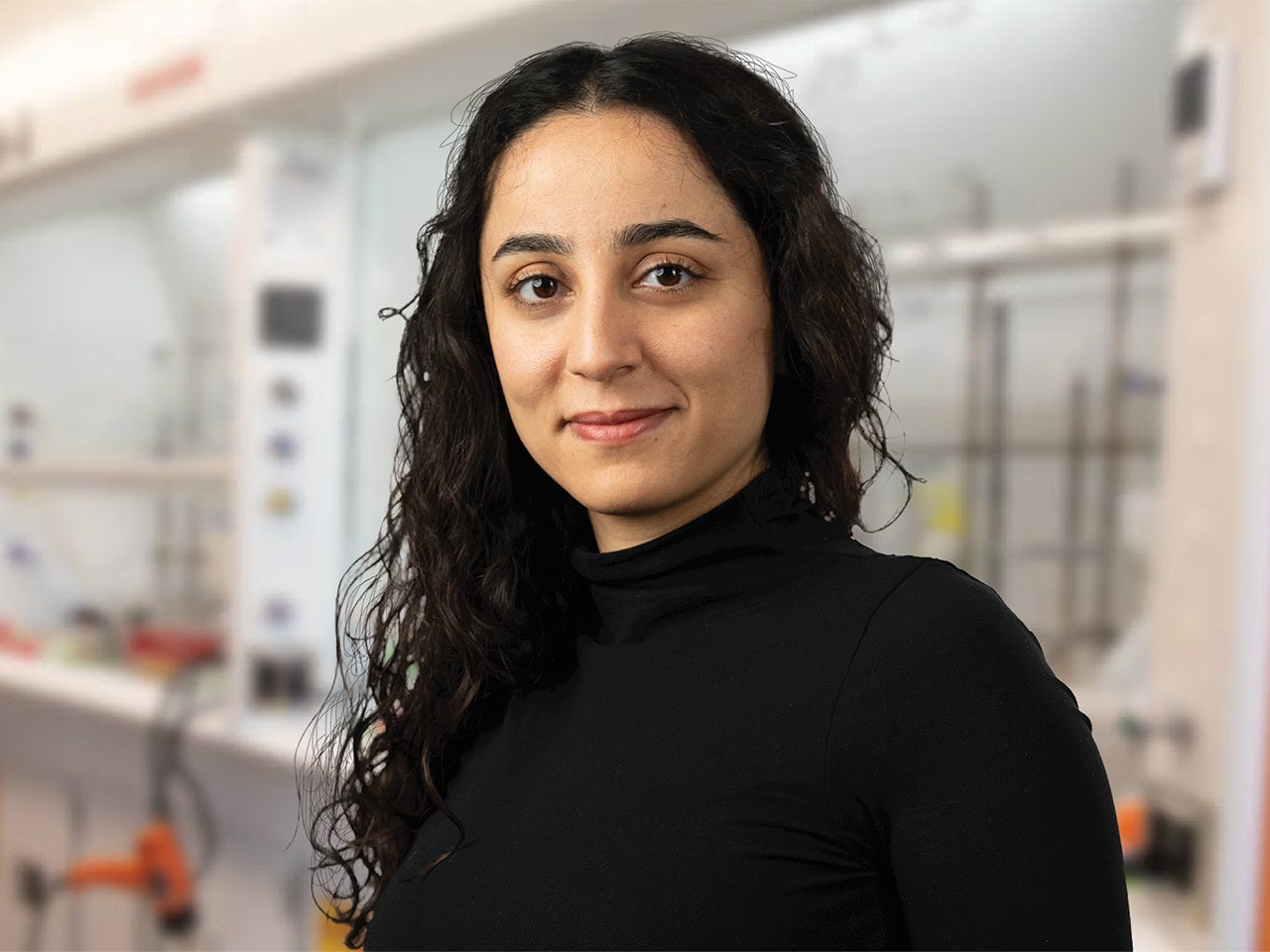
Mitra Javadzadeh
Sensory stimuli evoke activity in millions of neurons spread across multiple brain regions. This activity evolves over time, not only due to the constantly changing outside world, but also as a result of the internal interactions within these brain-wide networks. We aim to understand how distributed neural population dynamics are organized, and how they underlie our robust and yet flexible perception.
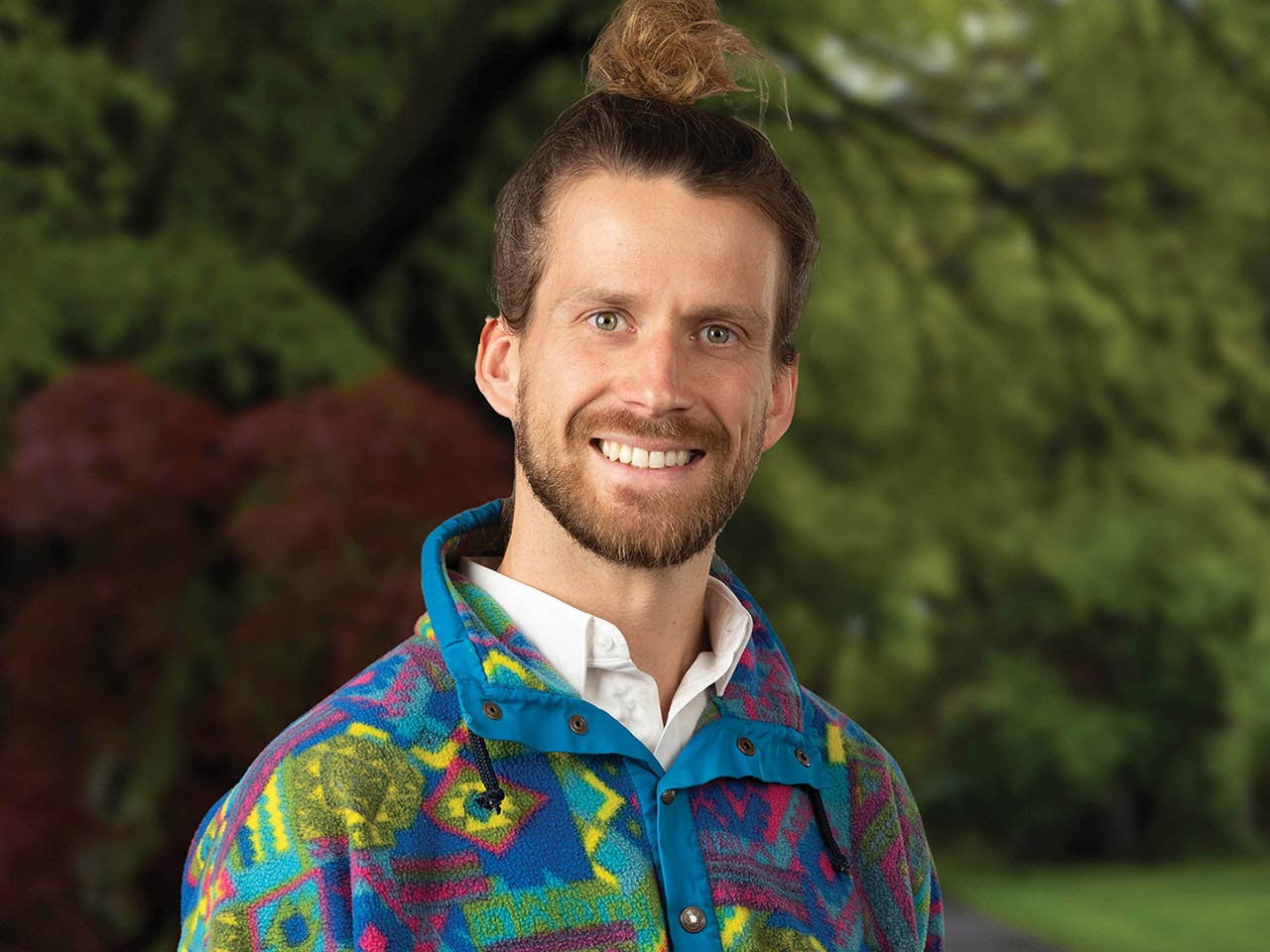
David Klindt
Our research explores how biological systems, such as the brain, learn from sensory data and generalize knowledge to new situations, inspiring the development of more robust artificial intelligence models. By investigating neural representations and leveraging expertise in computational neuroscience and AI, we aim to uncover groundbreaking insights at the intersection of biology and technology.
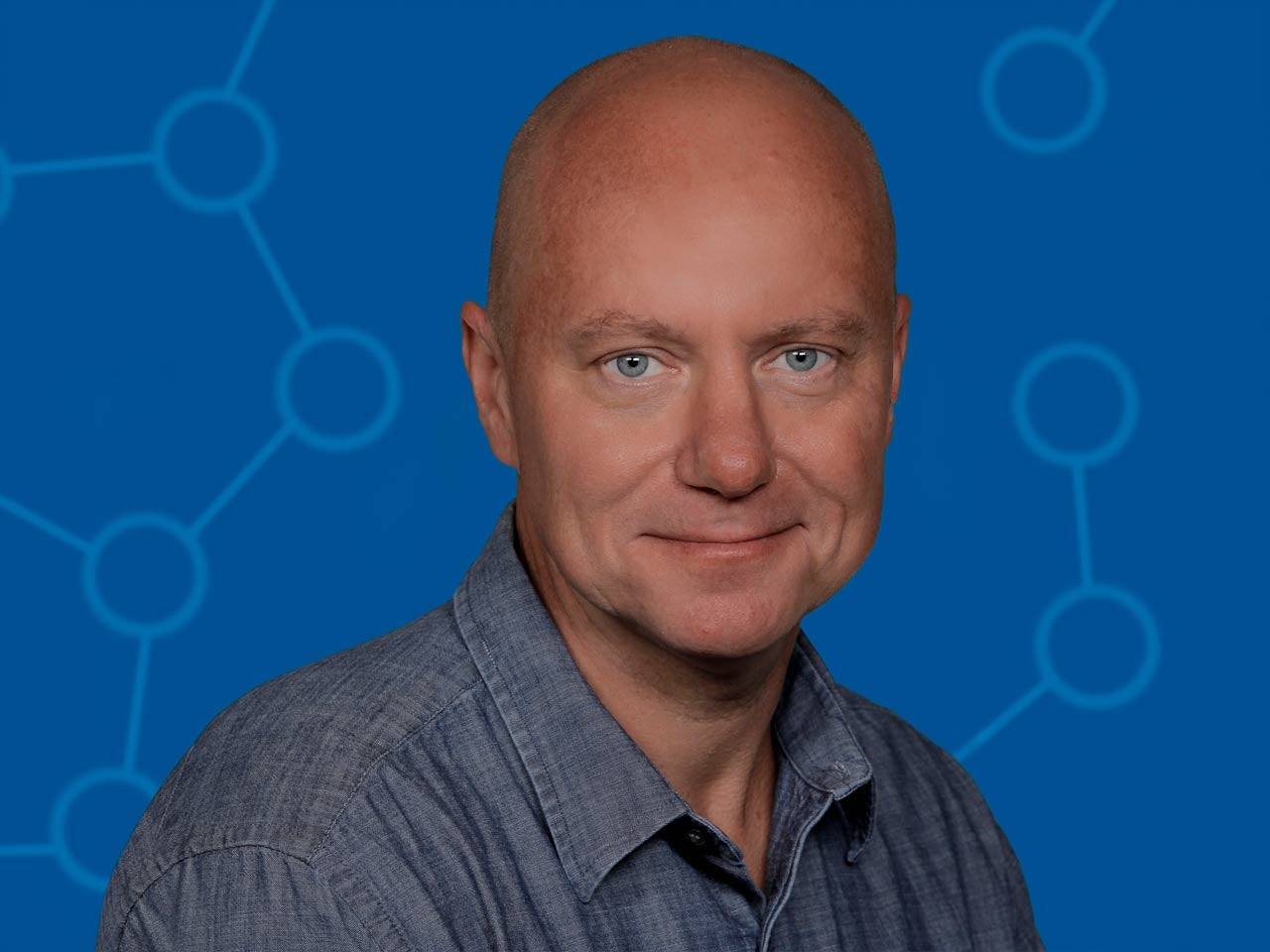
Alexei Koulakov
The complexity of the mammalian brain challenges our ability to explain it. My group applies methods from mathematics and theoretical physics to understand the brain. We are generating novel ideas about neural computation and brain development, including how neurons process information, how brain networks assemble during development, and how brain architecture evolved to facilitate its function.
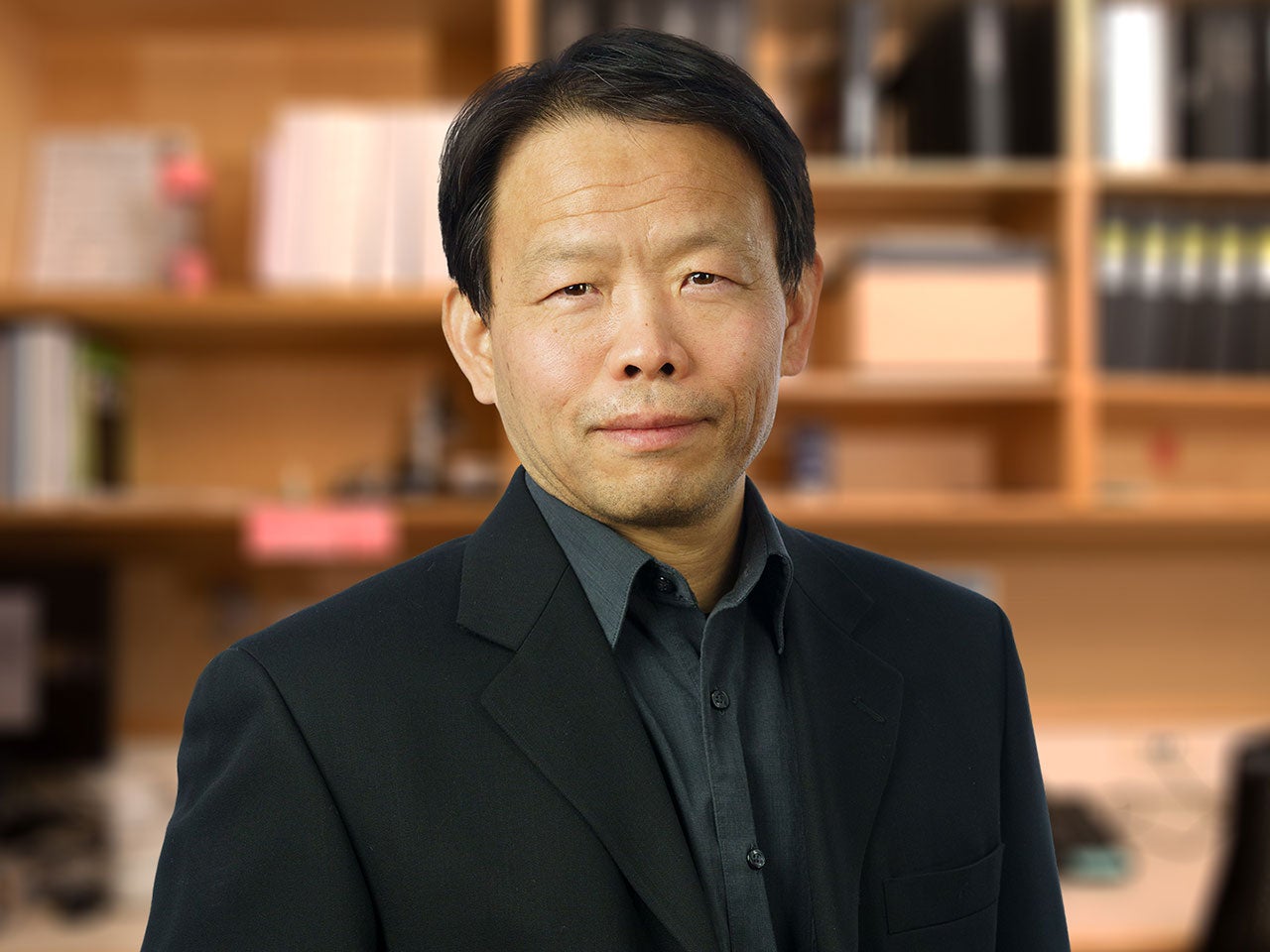
Bo Li
My group studies the neural circuits underlying cognitive function and dysfunction as they relate to anxiety, depression, schizophrenia and autism. We use sophisticated technologies to manipulate specific neural circuits in the rodent brain to determine their role in behavior. We are interested in changes in synaptic strength that may underlie mental disorders.
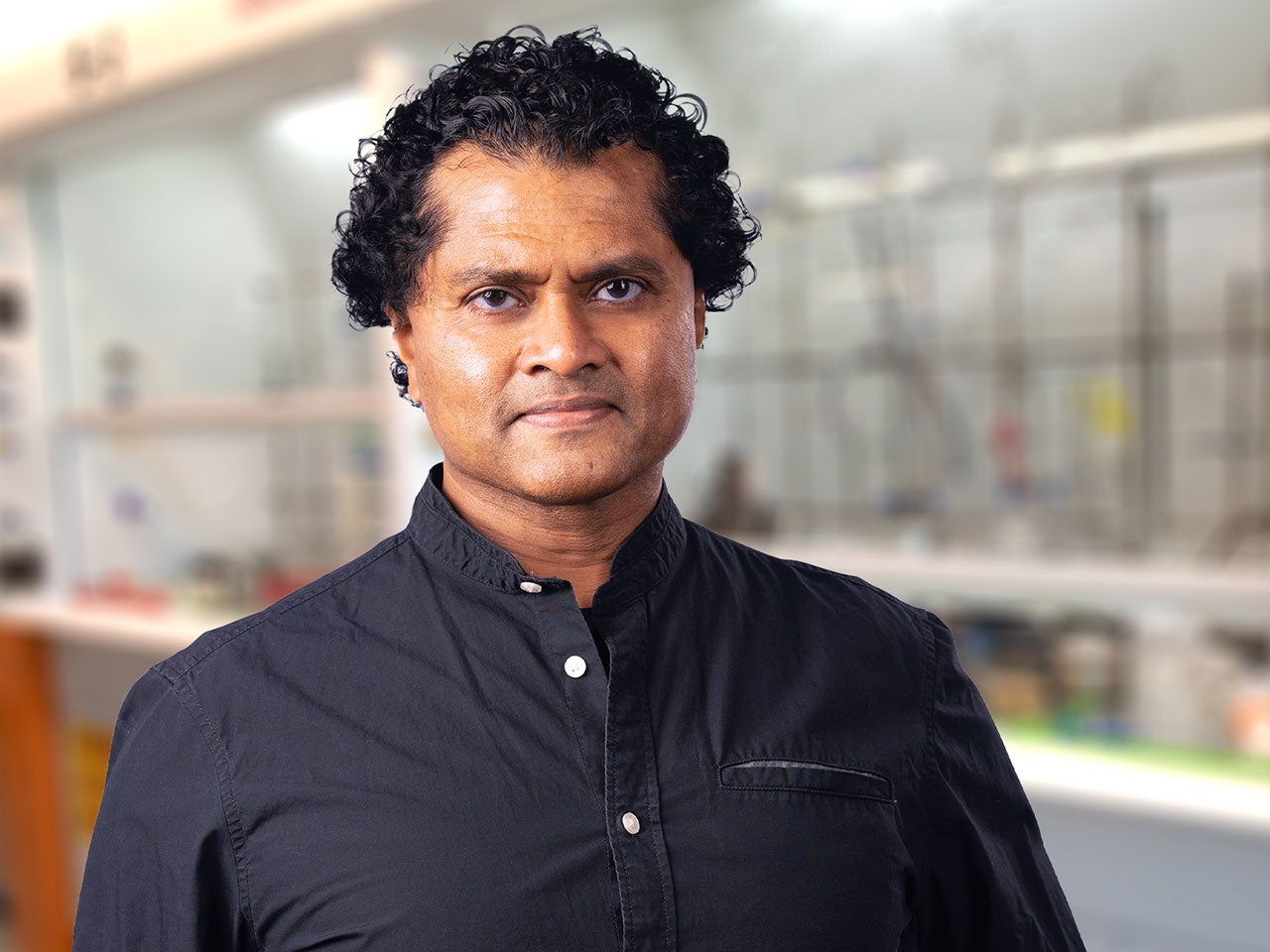
Partha Mitra
A theoretical physicist by training, my research is centered around intelligent machines. I do both theoretical and experimental work. The theoretical work is focussed on analyzing distributed/networked algorithms in the context of control theory and machine learning, using tools from statistical physics. My lab is involved in brain-wide mesoscale circuit mapping in the Mouse as well as in the Marmoset. An organizing idea behind my research is that there may be common underlying mathematical principles that constrain evolved biological systems and human-engineered systems.
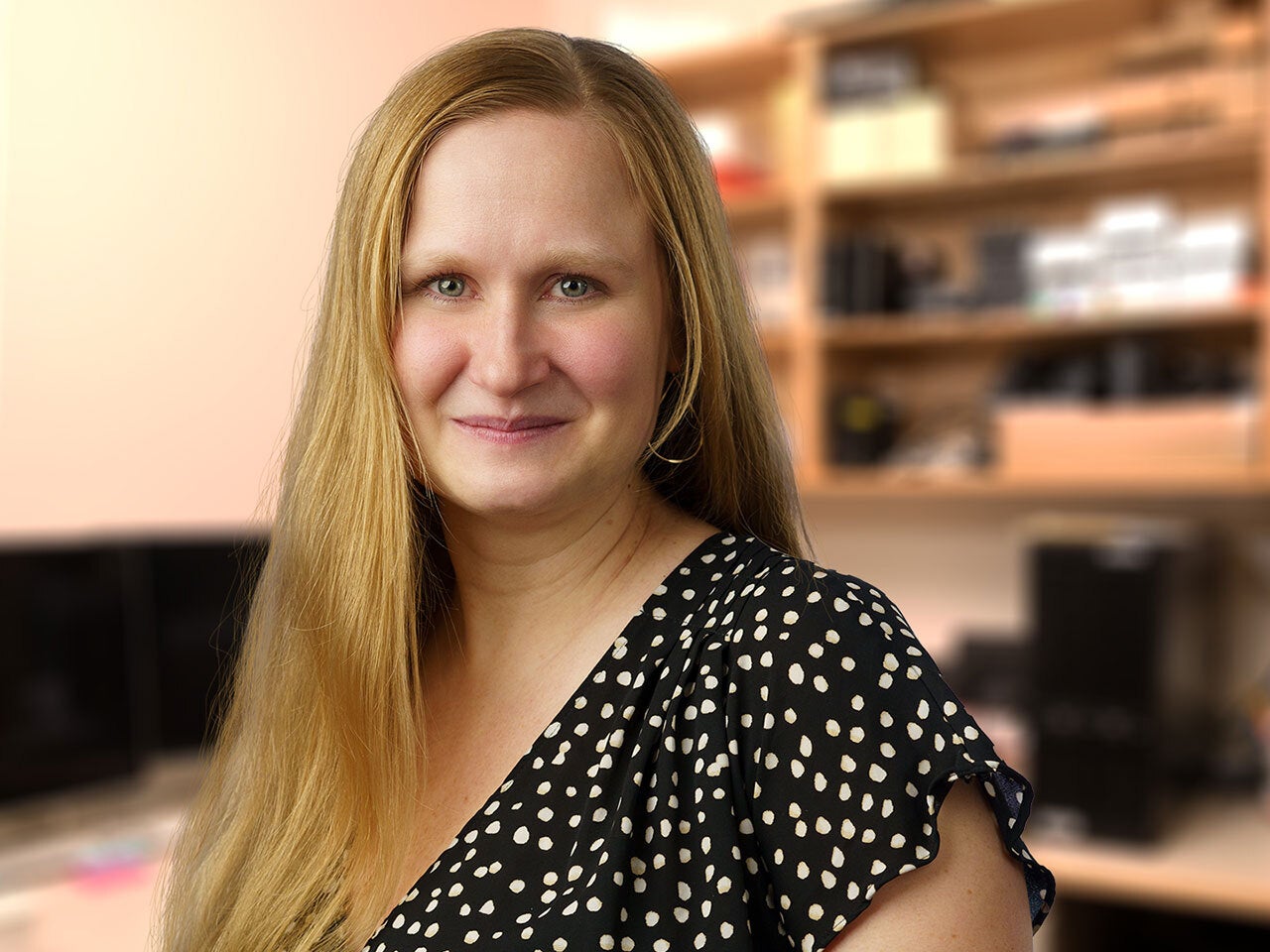
Gabrielle Pouchelon
Perception and comprehension of the outside world are rooted in our neocortex. How do neurons specialize during development to form complex and very specific circuits to integrating sensory-motor information in adults? My group is interested in the interplay between environmental cues and molecular programs in the assembly of neural circuits.
Stephen Shea
When confronted with another individual, social animals use multiple sensory inputs smells, sounds, sights, tastes, touches to choose an appropriate behavioral response. My group studies how specific brain circuits support these natural communication behaviors and how disruptions in these circuits can lead to inappropriate use of social information, as in Autism Spectrum Disorders.
Jessica Tollkuhn
My lab studies how estrogen and testosterone regulate gene expression in the brain. The receptors for these steroid hormones directly bind DNA to turn genes on or off. We have found that sex differences in gene expression are a dynamic readout of hormone actions across the lifespan. We aim to understand how these hormone-regulated genes contribute to sex-variable biology, behavior, and disease risk.
Linda Van Aelst
Normal cell function relies on coordinated communication between all the different parts of the cell. These communication signals control what a cell does, what shape it takes, and how it interacts with other cells. I study these signaling networks to understand how they guard against cancer and neurological disorders.
Anthony Zador
My lab studies how circuitry in the brain gives rise to complex behaviors, one of nature’s great mysteries. We study how the auditory cortex processes sound, and how this is interrupted in autism. We also seek to obtain a wiring diagram of the mouse brain at the resolution of individual neurons. Our unusual approach exploits cheap and rapid “next-gen” gene sequencing technology.
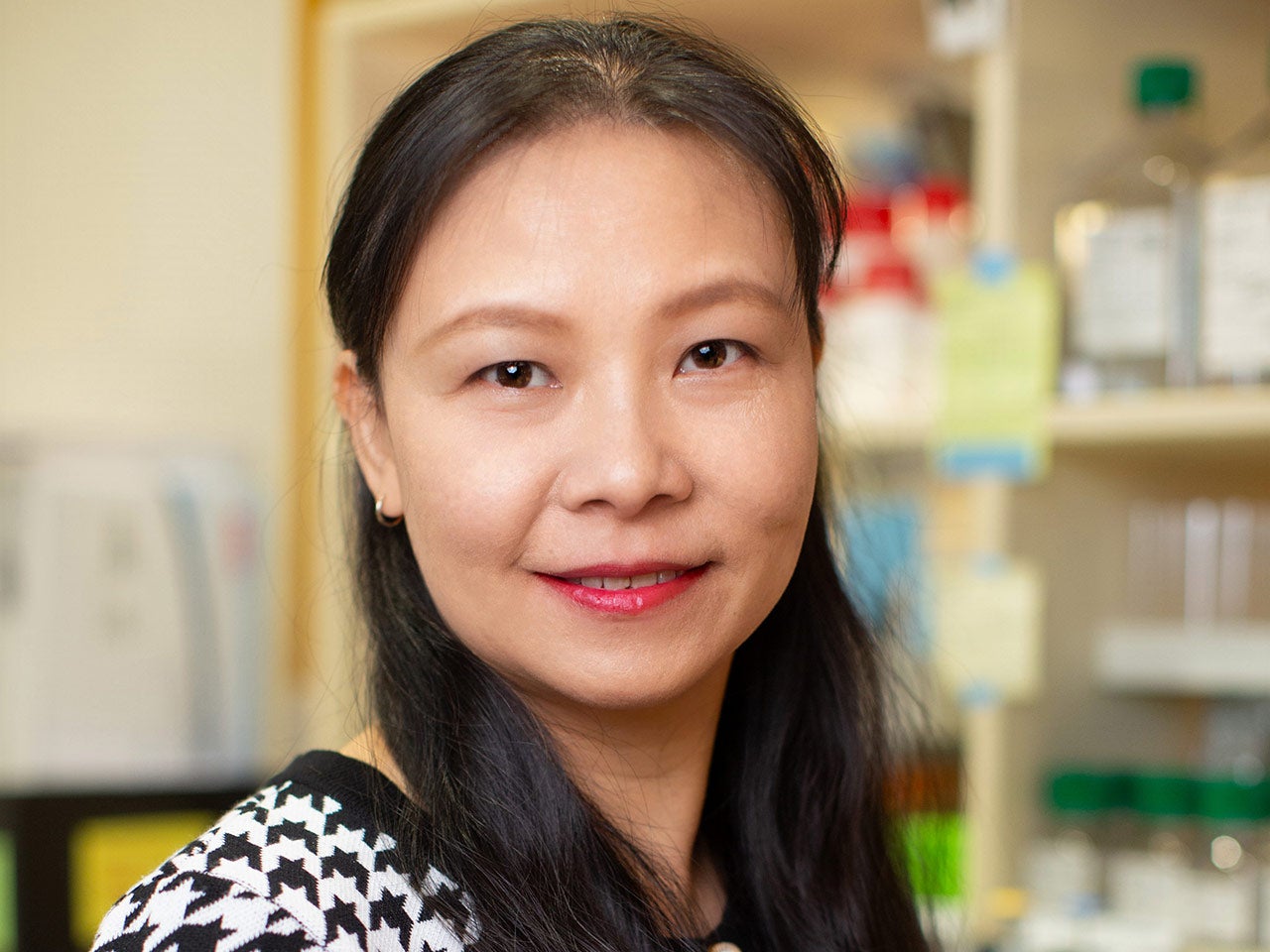
Huiqing (Ching) Zhan
MAPseq and BARseq are two novel high-throughput, multiplexed methods for brain mapping and in situ transcriptomics. Our goal is to develop and optimize these new techniques and apply them to the broader neuroscience community.