Cold Spring Harbor Laboratory Postdoctoral Program
Why Choose Cold Spring Harbor Laboratory for Your Postdoctoral Training?
Cold Spring Harbor Laboratory (CSHL) is one of the world’s leading biological sciences research institutions, offering postdocs an exceptional training environment defined by scientific excellence, collaboration, and professional growth. With a rich history of discovery, CSHL fosters innovation across five major research areas:
- Cancer biology
- Neuroscience
- Plant biology
- Quantitative biology
- Genomics
Postdocs play a vital role in advancing CSHL’s mission, and benefit from state-of-the-art Core Facilities, world-renowned Meetings & Courses, and a vibrant, collegial community that encourages both rigorous science and collaboration. Located on a scenic campus just a short train ride from New York City, CSHL offers unparalleled scientific resources, career support, and an engaging community, with staff dedicated to developing the next generation of leaders.
Key Benefits for Postdocs
- Scientific Excellence: ~55 labs across five disciplines; NCI-designated Cancer Center; 8 Nobel Prize winners
- Advanced Resources: Access to cutting-edge Core Facilities and expert technical support to accelerate discovery
- Career and Professional Development: Workshops and short courses on academic job searches, non-academic careers, mentoring, leadership, communication, and more
- Global Networking: Opportunities to present, connect, and collaborate through CSHL’s world-renowned Meetings & Courses program
- Active Community: Support from the Postdoctoral Liaison Committee (PDLC), the School of Biological Sciences, and informal campus gatherings that spark collaboration
- Alumni Network: Nearly 1,000 postdoc “alumni” over 25 years, offering career insights and networking opportunities across sectors
- Comprehensive Benefits: Competitive stipends (starting at $74,300), relocation reimbursement, family allowance, affordable housing assistance, on-site childcare, fitness and wellness centers, subsidized dining on campus, shuttle service, and more
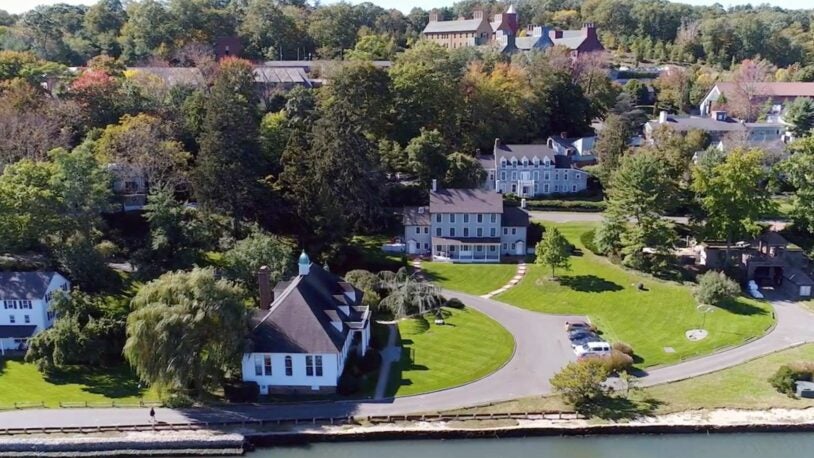
CSHL offers an excellent comprehensive benefits program, an on-site Wellness Center, a Fitness Center, subsidized dining experiences and complimentary shuttle service. The CSHL Housing Office can help postdocs find affordable housing, either through a shared-housing program or through local realtors. In addition, all postdoctoral fellows are eligible for relocation reimbursement and a family allowance.
Stipends and fellowships
Postdoctoral researchers at CSHL receive nationally competitive stipends. Many also apply for fellowships from government agencies or private foundations; the Postdoctoral Programs Office helps identify and apply for such fellowships.Postdoctoral Fellows are compensated based on years of experience. Current stipends can be accessed on the Postdoctoral Stipend Schedule.
Health Insurance and Retirement Plans
For more information, please click here.
Child Care
CSHL has an excellent, affordable, licensed, on-site childcare center that serves children from six weeks to six years old.
Visas
CSHL postdocs who are not U.S. citizens or permanent residents receive support for their visa arrangements from a campus Immigration Specialist.
Your training as a postdoc at CSHL extends beyond the bench. There is a suite of Career and Professional Development offerings, including short courses, workshops, lectures, and seminars that provide opportunities for scientific enrichment and professional development. In addition, there are programs in career exploration and opportunities to develop skills such as leadership, mentoring and communication.
CASE – CSHL’s Office of Career Advancement & Scientific Engagement (CASE) is the central hub for career development and community building for all students and scientists on campus, particularly those early in their careers such as PhD students, postdoctoral fellows, research technicians, research scientists, and early-career faculty.
Mentor Training – Two-day mentor training workshop based on the curriculum by the Center for the Improvement of Mentored Experiences in Research. Sessions are designed aim to equip trainees with the necessary knowledge and tools to align expectations, provide mentees with effective feedback, foster their independence in research, assess their understanding of the science/research they are conducting, and support their growth.
Individual Development Plans – At CSHL, postdocs are encouraged to complete the comprehensive Science Careers myIDP, followed by the CSHL Postdoc IDP annually to guide discussions with advisors. Completing an IDP each year helps assess one’s interests and skills, track accomplishments, set future goals, and prepare for the next career stage.
Academic Job Search Series – Trainees interested in a faculty position at a university, research institution, or teaching college attend sessions that focus on navigating the job search and interviews; preparing research, teaching, and diversity statements; and providing tools and tips from CSHL faculty and alumni.
Chalk Talk Practice – A fellow trainee presents a mock chalk talk in front of CSHL faculty members and fellow postdocs to receive valuable feedback. Additional opportunities include one-on-one meetings with CSHL faculty for research statement feedback and one-on-one practice interviews with CSHL faculty and/or a representative from CSHL Human Resources.
Writing Resource Center – Writing is an essential part of research – from manuscripts to grant proposals to job and fellowship applications. CSHL offers weekly office hours with professional science writers and editors to help all scientists at the Lab with their science communication projects.
Postdoc Peer Mentoring Connections – Peers are often the best guides during times of transition. This is an informal way for postdocs to share advice, ideas, and support with one another.
Alumni Panel Discussions – Connect and network with alumni from the CSHL Postdoctoral Program through virtual panel discussions. Select alumni will discuss their career paths and mentor and advise current postdocs in pursuing various careers.
Fellowship Writing Cohorts – Join your fellow postdocs in writing fellowship applications. Staff from the Postdoc Office, the Office of Sponsored Programs/Grants, and CASE will help identify eligible fellowships and provide structured guidance in writing fellowship applications.
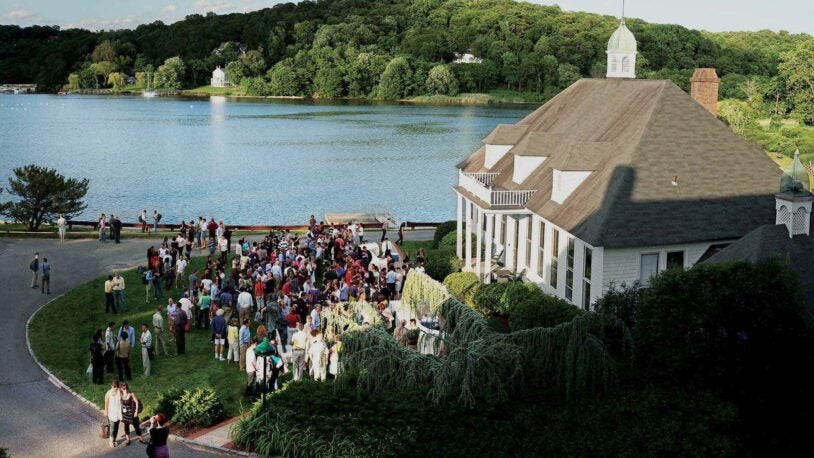
The Laboratory offers a collegial and collaborative work environment as well as a beautiful location just a short train ride from New York City.
PDLC
CSHL has an active Postdoctoral Liaison Committee (PDLC), whose purpose is to represent the interests of and advocate for the CSHL postdoctoral community. The PDLC also organizes several social events open to all postdocs at CSHL.
Affinity Groups
Besides PDLC, CSHL supports a few other trainee-led affinity groups that organize social, community building, career exploration, and professional development events throughout the year.
Peer Mentoring Program
The Postdoc Peer Mentor Program is intended to be an informal way for postdocs to connect, exchange ideas or feedback, listen to each other, and offer support when needed. Those who opt in are matched with another CSHL postdoc.
Available postdoctoral opportunities are listed below and on our Careers website; however, this is not an exhaustive list. Before applying, review the faculty list to identify potential research matches, and contact the appropriate investigator directly with a cover letter and CV to inquire about additional openings.
If you have any questions or require any assistance, please contact kasseisl@cshl.edu.
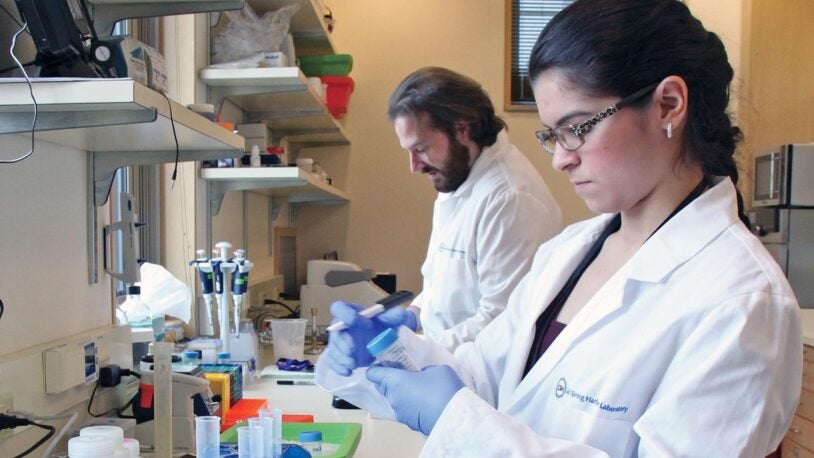
Our postdocs have access to all the scientific resources available on campus. Across the entire community at CSHL, there is a distinct spirit of scientific pursuit and interactions, resulting in innovative and productive collaborations.
Core Facilities
The Core Facilities are fast, reliable, and cost-effective, offering in-house support that can be customized.
NCI
CSHL is one of more than 70 institutions funded by the Cancer Centers Program of the National Institutes of Health’s National Cancer Institute (NCI). Since 1978, an NCI training grant has supported more than 100 postdocs in CSHL’s Cancer Center, many of whom have gone on to highly successful careers in cancer research. The NCI training program at CSHL focuses on basic cancer research and is a unique part of the Laboratory’s overall approach to postdoctoral training.
NPA
All CSHL postdocs are eligible for affiliate membership in the National Postdoctoral Association, which provides benefits such as networking opportunities and informational webinars on a variety of topics relevant to postdocs in U.S. institutions.
Meetings & Courses
CSHL’s extensive Meetings & Courses Program brings top scientists from around the world to campus to present and discuss the latest research in a wide variety of scientific. This is great opportunity to network and meet with colleagues.
Cold Spring Harbor Laboratory (CSHL) has a longstanding reputation for fostering the development of emerging scientists, with postdoctoral researchers playing a crucial role in the process of discovery. The postdoctoral fellows at the Laboratory collaborate within the laboratories of Principal Investigators, who engage in research across five distinct fields—cancer, neuroscience, plant biology, quantitative biology, and bioinformatics and genetics—through a highly synergistic and interactive approach.
Current Postdocs – To meet our current postdoctoral fellows, please click here.
Postdoc Publications – for a comprehensive list of all the work that our postdocs do, please browse through our postdoc publications page.
Postdoc Alumni Statistics – Over the last 25 years, nearly 1000 postdocs have moved on to the next phase of their career. We provide support through every step of the process, whether through networking efforts, one-on-one discussions and guidance, and career and professional development workshops.
(2026 – Coming Soon!)
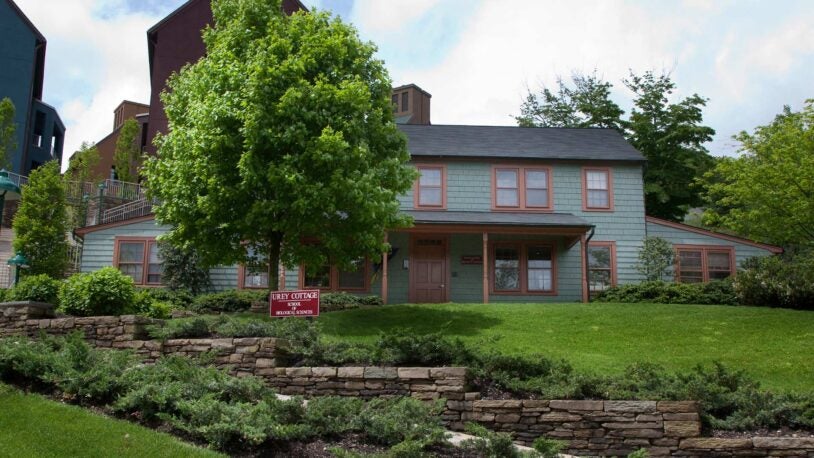
If you have any questions about the Postdoctoral Program, please contact our team.
Steve Shea, Ph.D. (sshea@cshl.edu) – Faculty Head
Monn Monn Myat, Ph.D. (myat@cshl.edu) – Director
Alyson Kass-Eisler, Ph.D. (kasseisl@cshl.edu)
Shanique Edwards, Ph.D. (sedwards@cshl.edu)
Hanna Morales Hernández, Ph.D. (moralesh@cshl.edu)
Razan Alnahhas, Ph.D. (alnahhas@cshl.edu)
Stephanie Franco (franco@cshl.edu)